How does nutrition and hydration affect my surgical outcome?

Nutrition and hydration directly dictate the speed and quality of your surgical outcome by supplying the essential building blocks for collagen synthesis and immune function. Dr. Emil Kohan emphasizes that a body in a state of peak nourishment heals faster and experiences fewer complications. At EmilMD, we view clinical nutrition as a vital component of the surgical process that ensures long-term structural integrity.
Table of contents
The physiological stress of surgery triggers a complex cascade of metabolic demands that require a significant increase in energy and nutrient availability. When the body undergoes an operation, it enters a catabolic state, meaning it begins to break down stored resources to fuel the immediate needs of wound healing and immune defense. If a patient enters the operating room with nutritional deficiencies, the body may lack the necessary raw materials to bridge the gap between injury and repair. This deficiency can lead to prolonged swelling, increased bruising, and a higher risk of wound dehiscence.
Achieving an optimal surgical outcome is therefore a proactive process that begins weeks before the first incision is made. The cells responsible for rebuilding the skin and underlying fascia, known as fibroblasts, are highly dependent on specific vitamins and minerals to produce high-quality collagen. Without adequate protein intake, for example, the body cannot create the structural framework required to close a wound securely. Dr. Emil Kohan treats every patient as a high-performance athlete preparing for a major event, where the "event" is the body’s internal reconstruction.
Hydration plays an equally vital role in the recovery environment by maintaining the volume and viscosity of the blood. Proper fluid balance ensures that oxygen and life-sustaining nutrients are delivered efficiently to the surgical site while metabolic waste products are flushed away. At EmilMD, we educate our patients on the fact that even mild dehydration can impair the microcirculation in the skin, which is the very system responsible for keeping the surgical flaps healthy and viable. A well-hydrated body is a more resilient body, capable of managing the inflammatory response with greater ease.
The Structural Role of Macronutrients in Tissue Repair
Protein is perhaps the most critical macronutrient for any patient undergoing a transformative procedure. Every stage of wound healing, from the initial inflammatory phase to the final remodeling of the scar, depends on the availability of amino acids. These molecules serve as the literal bricks and mortar of the human body. When protein intake is insufficient, the body may pull from its own muscle stores to support the surgical site, leading to a general sense of fatigue and a slower overall recovery.
In addition to protein, healthy fats are essential for the formation of new cell membranes. The inflammatory response, while necessary for healing, must be carefully modulated by the body to prevent excessive swelling or chronic pain. Omega-3 fatty acids, found in fish and certain seeds, help to manage this inflammation naturally. Carbohydrates also play a supporting role by providing the glucose necessary to power the high-energy demands of the immune cells that swarm the surgical site to prevent infection.
The transition from a resting state to a healing state requires a strategic shift in how a patient approaches their daily meals. To ensure the best possible foundation for your results, it is helpful to follow a structured plan for nutrient timing. The following steps highlight the progression of nutritional focus from the pre-operative phase through the initial weeks of healing at EmilMD.
- The Pre-Operative Loading Phase: Two weeks before surgery, focus on high-protein meals and colorful vegetables to saturate your tissues with antioxidants and minerals.
- The Micronutrient Bridge: During the final days before the procedure, ensure adequate intake of Vitamin C and Zinc, which are essential for the initial stages of collagen cross-linking.
- The Immediate Post-Operative Flush: Focus on clear fluids and light, easily digestible proteins to support the body as it clears anesthesia and begins the inflammatory response.
- The Tissue Building Phase: Increase caloric intake slightly for the first fourteen days to provide the extra energy required for active cellular proliferation.
- The Long-Term Remodeling Phase: Maintain a balanced diet rich in micronutrients for several months to ensure the scar tissue matures into a thin, strong, and inconspicuous line.
Following these phases allows the body to maintain a steady state of repair without running out of fuel. Dr. Emil Kohan often notes that patients who prioritize their protein and calorie intake in the first month post-surgery experience a much smoother transition back to their regular activities. At EmilMD, we provide specific guidelines to help you navigate these dietary shifts so that your focus can remain on resting and recovering.
The impact of nutrition is not just limited to the physical wound but also extends to the neurological recovery. The brain requires steady glucose and healthy fats to manage the signals of discomfort and to maintain a positive mood during the downtime. A patient who is well-nourished is less likely to experience the "post-operative blues" that can sometimes occur when the body is under significant stress. This holistic view of recovery is a cornerstone of the patient care philosophy at EmilMD.
Micronutrients and the Chemistry of Scar Formation
While macronutrients provide the bulk of the repair material, micronutrients like vitamins and minerals act as the catalysts for the chemical reactions that make healing possible. Vitamin C, for instance, is a mandatory co-factor for the enzymes that stabilize the collagen triple helix. Without it, the collagen produced is weak and prone to stretching. Similarly, Vitamin A helps to regulate the immune response and promotes the growth of new blood vessels, a process known as angiogenesis, which is vital for the survival of relocated tissues.
Zinc is another powerhouse mineral that plays a central role in DNA synthesis and cell division. A deficiency in zinc can stall the healing process at the very beginning, leaving the patient vulnerable to slow-healing wounds. However, it is important to obtain these nutrients through high-quality food sources whenever possible. The experts at EmilMD believe that a "food-first" approach provides a more complex and bioavailable array of nutrients than supplements alone, although certain additions may be recommended based on individual needs.
The synergy between hydration and micronutrient transport cannot be overstated. Water acts as the medium through which these vitamins and minerals travel to reach the cells that need them most. In an environment where the body is dealing with localized edema or swelling, the efficient movement of fluids is the only way to ensure that the "construction crew" of cells receives their supplies. Here, we can see the specific roles of key nutrients in your surgical journey at EmilMD.
- Vitamin C: This antioxidant is essential for collagen synthesis and helps protect the cells from the oxidative stress caused by the surgical trauma.
- Vitamin A: It stimulates the early inflammatory phase of healing and helps increase the strength of the wound as it closes.
- Zinc: This mineral is a critical component of over 300 enzymes that assist in cell growth and the prevention of post-operative infection.
- Copper: It works alongside Vitamin C to help form the elastin fibers that give your skin and tissues their necessary flexibility and bounce.
- Iron: This is necessary for the production of hemoglobin, which carries the oxygen required for every step of the metabolic repair process.
By ensuring these elements are present in your diet, you are giving Dr. Emil Kohan the best possible "canvas" to work upon. A body that is chemically prepared for surgery will always have a more predictable and aesthetic outcome than one that is struggling with sub-clinical deficiencies. At EmilMD, we take the time to review your nutritional status because we know it is a major variable in your satisfaction with the final result.
Furthermore, hydration helps to maintain the elasticity of the skin surrounding the incision. Dehydrated skin is more brittle and less able to withstand the tension of sutures. By staying hydrated, you ensure that the skin can stretch and adapt to its new contours without excessive pulling or irritation. This is particularly important in body contouring or facial procedures where the skin's drape is a key factor in the visual outcome.
Avoiding Dietary Pitfalls That Compromise Recovery
Just as certain foods can accelerate healing, other dietary habits can actively hinder it. High levels of refined sugar, for example, can lead to a state of chronic low-grade inflammation and can interfere with the function of white blood cells. This effectively "distracts" the immune system from its primary task of repairing the surgical site. Similarly, excessive sodium intake can cause the body to retain fluid in all the wrong places, leading to uncomfortable swelling and a feeling of heaviness in the treated areas.
Alcohol is another substance that should be strictly avoided during the peri-operative period. It acts as a vasodilator, which can increase the risk of post-operative bleeding or hematoma formation. Furthermore, alcohol is a potent dehydrator that strips the cells of the water they need to function. The clinical team at EmilMD advises patients to abstain from alcohol for several weeks before and after their procedure to ensure the vascular system remains stable and the liver is free to process the necessary medications.
Managing your diet also involves being mindful of the supplements and herbs you consume. Some natural products, like garlic, ginger, and Vitamin E, can actually thin the blood and increase bruising if taken too close to the surgery date. This is why a full disclosure of your nutritional habits is so important during your consultation. It’s worth considering the dietary elements to limit or avoid to protect your outcome at EmilMD.
- Refined Sugars: High sugar intake can impair the immune response and slow down the migration of cells to the wound site.
- Excessive Sodium: Salty foods contribute to fluid retention, which can exacerbate post-surgical swelling and cause discomfort in the incision area.
- Alcoholic Beverages: These interfere with medication metabolism, increase the risk of bleeding, and cause significant systemic dehydration.
- Unapproved Herbal Supplements: Certain "natural" pills can have potent effects on blood clotting and should be cleared by your surgeon.
By removing these obstacles, you allow your body's natural healing mechanisms to work at their full potential. The goal is to create a "clean" internal environment where the only thing your body has to focus on is reconstruction. Dr. Emil Kohan and the staff at EmilMD are here to support you in making these adjustments, providing you with the resources and knowledge needed to succeed.
The cumulative effect of these choices is often a recovery that feels faster and less taxing. Patients who are disciplined with their nutrition and hydration often report requiring less pain medication and feeling like "themselves" much sooner than those who do not prioritize these factors. It is a powerful reminder that while the surgeon performs the procedure, the patient is an active participant in the creation of the final result.
The Long-Term Relationship Between Diet and Aesthetic Longevity
The impact of nutrition does not end once the incisions have healed. The longevity of any plastic surgery result is deeply tied to the patient's ongoing lifestyle and health habits. For instance, the results of a body contouring procedure are best maintained through a stable weight and a diet that supports muscle tone and skin elasticity. Fluctuations in weight can stretch the repaired tissues, potentially diminishing the crispness of the surgical outcome.
Investing in high-quality nutrition is an investment in the "maintenance" of your surgical results. A diet rich in phytonutrients and antioxidants helps to protect the skin from the aging effects of environmental stress and sun exposure. This ensures that the rejuvenated appearance achieved through surgery remains vibrant for many years. At EmilMD, we encourage our patients to view their surgery as the catalyst for a permanent shift toward a healthier, more mindful way of living.
The synergy between surgical excellence and nutritional support is what creates world-class results. By fueling your body with the right intent, you are honoring the work performed by your surgical team and giving yourself the gift of a smooth, confident recovery. Dr. Emil Kohan is committed to guiding you through every facet of this process, ensuring that you have the tools to achieve the strongest and most beautiful version of yourself.
Frequently
Asked Questions
Should I start a strict diet to lose weight right before my surgery?
Starting a restrictive or "crash" diet immediately before surgery is generally discouraged because it can deprive your body of the essential nutrients needed for healing. At EmilMD, we prefer that patients are at a stable, healthy weight for several months prior to their procedure. Dr. Emil Kohan emphasizes that being in a "depletion" state can lead to poor wound healing and increased fatigue post-operatively. If you wish to lose weight, it is best to do so gradually and finish your weight loss journey well before your scheduled surgery date to ensure your nutrient stores are full.
How much water should I actually be drinking during my recovery?
While the standard "eight glasses a day" is a good baseline, surgical patients often need more to compensate for the fluid shifts that occur during and after a procedure. The experts at EmilMD typically recommend aiming for roughly half your body weight in ounces of water daily, provided there are no underlying medical contraindications. Staying ahead of thirst is key; if your urine is pale yellow or clear, you are likely well-hydrated. Dr. Emil Kohan reminds patients that proper hydration is one of the simplest yet most effective ways to manage post-operative swelling and maintain energy levels.
Can I take a multivitamin to cover my nutritional bases after surgery?
A high-quality multivitamin can be a helpful safety net, but it should not replace a diet of whole, nutrient-dense foods. EmilMD’s clinical team often recommends specific supplements like Vitamin C or Bromelain to assist with healing and bruising, but these should always be cleared by the office first. Some multivitamins contain ingredients that can thin the blood, so Dr. Emil Kohan usually requests that patients pause certain supplements two weeks before surgery and only resume them when cleared post-operatively. Focusing on lean proteins, leafy greens, and berries remains the most effective way to nourish your body.
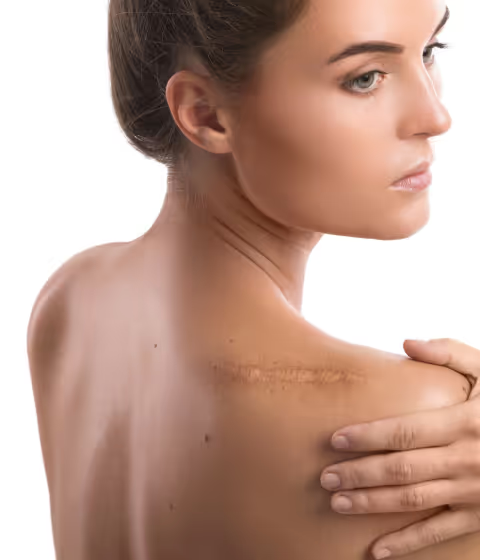
How does protein specifically help with the appearance of my scars?
Scars are primarily composed of collagen, and protein provides the amino acids—specifically proline and glycine—that are the primary components of collagen fibers. If you are protein-deficient, your body may produce "disorganized" collagen, which can lead to scars that are wider, thicker, or less stable. By maintaining a high protein intake during the remodeling phase, you provide the building blocks for a more organized and resilient scar. The professionals at EmilMD often suggest incorporating protein into every meal and snack during the first six weeks to support this critical structural development.
Is it okay to drink coffee or caffeinated tea during the healing process?
Moderate caffeine consumption is usually acceptable, but it is important to remember that caffeine can act as a mild diuretic and may slightly constrict blood vessels. For the first few days after a procedure at EmilMD, we recommend prioritizing water and herbal teas to ensure maximum blood flow to the healing tissues. If you do choose to have coffee, Dr. Emil Kohan suggests balancing every cup of caffeine with an extra glass of water. This prevents the caffeine from contributing to systemic dehydration, which could otherwise slow down your recovery and make you feel more jittery.
Does sugar really have that much of an impact on my risk of infection?
High blood sugar levels can impair the function of neutrophils, which are the primary white blood cells responsible for fighting off bacteria at the surgical site. When sugar levels are elevated, these "defender" cells move more slowly and are less effective at neutralizing threats. EmilMD advises all patients to keep their refined sugar intake low during the recovery period to keep their immune system in peak fighting shape. Dr. Emil Kohan finds that patients who avoid sugary snacks and processed foods often have lower rates of minor skin infections and experience less localized inflammation.
Will my results last longer if I maintain a specific post-surgical diet?
Yes, the longevity of plastic surgery results, especially for body-related procedures, is heavily dependent on a stable and nutritious diet. While the surgery removes fat cells or tightens tissue, the remaining cells can still expand if a significant caloric surplus is maintained. At EmilMD, we view the procedure as a "reset," and a balanced diet is the "maintenance" plan that keeps those results looking their best. Dr. Emil Kohan encourages a diet rich in whole foods and lean proteins to support muscle tone and skin quality, which helps the surgical improvements stand the test of time.
Bringing Artistry to Plastic Surgery