Dr. Emil Kohan | Beverly Hills
Mohs Wound Closure & Skin Cancer Excision
Mohs Wound Closure & Skin Cancer Excision
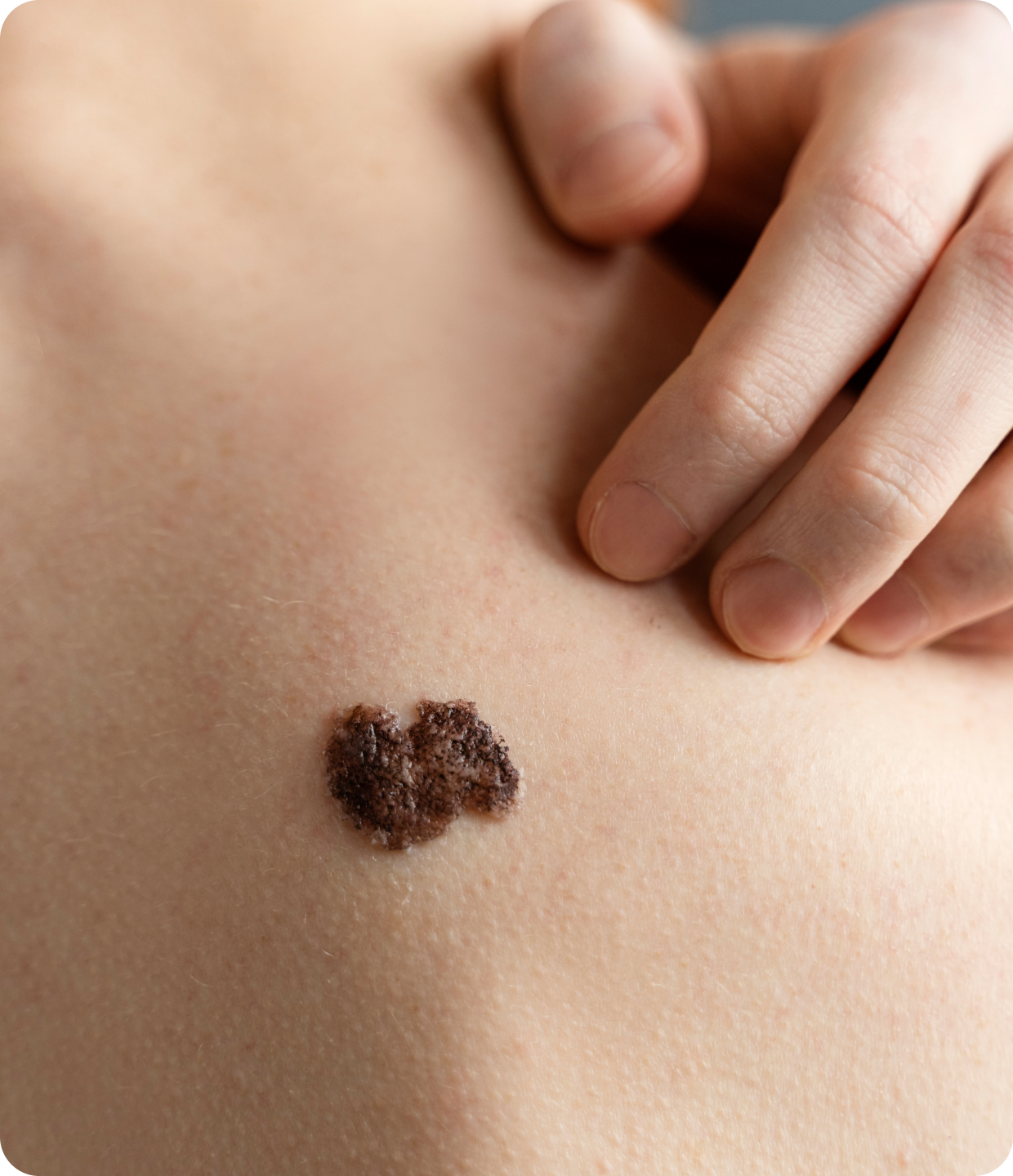
Mohs Wound Closure and Skin Cancer Excision is a surgical procedure used to remove skin cancer while minimizing the removal of healthy tissue. The procedure is performed by a specialized surgeon called a Mohs surgeon. This procedure is often used for skin cancers that are located in areas where preserving normal tissue is important, such as the face, hands, feet, and genitals.
The procedure involves removing the visible cancerous tissue and then examining it under a microscope to ensure that all of the cancerous cells have been removed. If any cancerous cells remain, the process is repeated until clear margins are achieved. The wound is then closed using various techniques such as sutures, skin flaps, or skin grafts.
Mohs Wound Closure and Skin Cancer Excision is a highly effective treatment for skin cancer, with a high cure rate. The procedure allows for preservation of normal tissue while ensuring complete removal of cancerous cells. It's a specialized procedure that requires a skilled and trained surgeon to perform it. Recovery time depends on the size and location of the wound but most patients can expect to return to normal activities within a few weeks. The procedure can help to prevent recurrence of skin cancer and improve the appearance of the affected area.
Schedule a
Consultation Today
Begin your personalized aesthetic journey with a one-on-one consultation guided by medical expertise.





Don’t Just Take Our Word
Frequently
Asked Questions
What is the primary purpose of reconstructive surgery after a Mohs procedure?
While the initial Mohs surgery focuses on the complete removal of cancerous cells, the subsequent reconstruction aims to repair the resulting wound or defect. At EmilMD, this secondary step is essential for restoring both the aesthetic contour of the face and the vital functions of features like the nose, lips, or eyelids. By utilizing advanced plastic surgery techniques, the surgical team can minimize the visibility of the surgical site while ensuring the area heals correctly. This specialized care helps patients regain their confidence after a traumatic diagnosis. Dr. Emil Kohan prioritizes a seamless transition between the cancer removal and the final aesthetic restoration.
How soon after the cancer removal should the wound closure take place?
In most cases, the reconstruction is performed on the same day or the day following the clearance of the cancer. Coordination between the dermatologist and the experts at EmilMD ensures that the open wound is not left exposed for longer than necessary to prevent infection or excessive scarring. This immediate approach allows the surgeon to work with fresh tissue, which often leads to superior healing outcomes and a more natural final appearance. Timing is critical to preserve the integrity of delicate facial structures that may have been impacted by the excision. Dr. Emil Kohan maintains a flexible schedule to accommodate the unpredictable timing of Mohs clearance.
What are the different techniques used to close a skin cancer defect?
Surgeons employ a variety of methods ranging from simple side-to-side stitching to more complex local flaps or skin grafts. A local flap involves rearranging healthy adjacent skin to cover the wound, which typically provides the best match in terms of color and texture at EmilMD. When a defect is particularly large or deep, a skin graft from a hidden donor site may be required to provide adequate coverage. The choice of technique depends entirely on the location, size, and depth of the hole left by the cancer removal. Dr. Kohan selects the most discreet method to ensure the repair blends perfectly with the surrounding skin.
Will there be significant scarring after the reconstructive process?
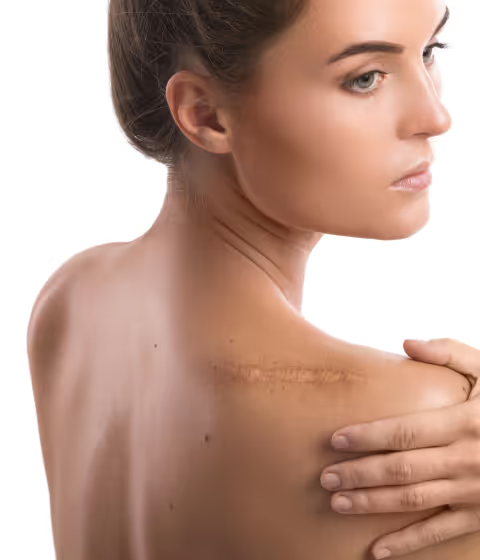
Any surgical intervention involving an incision will result in some degree of permanent marking, but plastic surgery techniques are designed to make these lines as inconspicuous as possible. By placing incisions within natural skin folds or along the borders of facial features, the clinical team at EmilMD can hide the evidence of surgery quite effectively. Over several months, the initial redness typically fades into a thin, faint line that is often difficult for others to notice. Proper wound care and sun protection during the recovery phase are vital for achieving the best possible scar maturation. Dr. Emil Kohan provides patients with detailed instructions to optimize the long-term appearance of the repair.
How long does the recovery process take after a facial reconstruction?
Most patients experience an initial healing period of one to two weeks, during which stitches are removed and swelling begins to subside. While the area may appear bruised or red initially, these symptoms improve rapidly with the specialized post-operative care provided at EmilMD. It is important to avoid strenuous activity or direct pressure on the surgical site for several weeks to prevent the internal sutures from stretching. Most individuals find they can return to their social and professional lives relatively quickly with the help of minor concealment. Dr. Emil Kohan monitors the progress of the tissue through follow-up visits to ensure the wound is closing beautifully.
Can a reconstructive surgeon fix a poorly healed scar from a previous excision?
If a patient is unhappy with the appearance of a scar from a past skin cancer surgery, secondary revision procedures are often available to improve the result. At EmilMD, these revisions may involve laser treatments, steroid injections, or a surgical re-excision to create a thinner and flatter mark. This process is common for individuals who feel their original closure resulted in a distorted feature or a very thick, raised scar. Addressing these concerns can significantly improve a person's quality of life and self-image after surviving cancer. Dr. Emil Kohan specializes in these corrective measures to restore harmony to the facial features.
Is anesthesia required for the wound closure part of the treatment?
The type of sedation used depends heavily on the complexity of the reconstruction and the personal preference of the patient. Many smaller closures are performed comfortably under local anesthesia at EmilMD, where the area is completely numbed while the patient remains awake. For more extensive flap surgeries or when multiple sites are involved, intravenous sedation or general anesthesia may be recommended to ensure absolute comfort. The safety and well-being of the patient are the primary concerns for the entire surgical staff throughout the duration of the visit. Dr. Emil Kohan discusses all anesthetic options during the consultation to create a stress-free experience for the patient.
Bringing Artistry to Plastic Surgery