When should I see a professional for an ingrown hair cyst?

You should see a professional for an ingrown hair cyst if you notice signs of infection, such as increasing pain, redness, or pus. Dr. Emil Kohan at EmilMD recommends seeking medical attention for cysts that do not resolve with home care or those that recur frequently. Professional treatment ensures the underlying follicle is managed safely while minimizing the risk of permanent scarring.
Table of contents
An ingrown hair occurs when a strand of hair curls back or grows sideways into the skin rather than rising through the surface. While most of these occurrences are minor annoyances that resolve on their own, they can sometimes develop into deeper, fluid filled sacs known as cysts. These cysts can become quite large, painful, and inflamed, particularly in areas where the skin is frequently subjected to friction or shaving. Recognizing the transition from a simple skin irritation to a condition requiring clinical expertise is essential for maintaining skin health.
In many cases, a small ingrown hair can be managed with warm compresses and gentle exfoliation to help the hair break through the skin. However, when the hair remains trapped deep within the follicle, it can trigger a significant inflammatory response. The resulting cyst may feel like a firm knot under the skin and can persist for weeks or even months. At EmilMD, the approach to these lesions involves assessing whether the cyst is a simple inflammatory reaction or if it has progressed into a localized infection that requires surgical or medical intervention.
Professional intervention becomes necessary when home remedies fail to produce improvement or when the cyst begins to interfere with daily activities. Ignoring a worsening cyst can lead to more severe complications, including the spread of infection to surrounding tissues or the development of a permanent abscess. Dr. Emil Kohan emphasizes that early intervention is often simpler and less invasive than treating a long standing or ruptured cyst. Understanding the specific red flags that indicate a need for a doctor’s visit is the first step toward effective resolution.
Recognizing the Signs of Clinical Infection
The most urgent reason to see a professional for an ingrown hair cyst is the presence of an active infection. When bacteria become trapped within the cystic structure, the body’s immune response intensifies, leading to increased pressure and discomfort. If you notice that the area is becoming progressively more tender or if the skin feels hot to the touch, these are clear indicators that the body needs assistance in clearing the blockage. At EmilMD, the clinical team is trained to identify the subtle differences between normal inflammation and a spreading bacterial infection.
Systemic symptoms can also accompany a localized skin infection if it is left untreated for too long. Fever, chills, or a general feeling of malaise suggest that the inflammatory process is no longer confined to the skin. In such instances, seeking immediate medical care is vital to prevent the infection from entering the bloodstream. Dr. Kohan frequently advises patients that a rapidly changing cyst should never be ignored, as early drainage and antibiotic therapy can prevent much larger problems.
The progression from a minor bump to a medical concern often follows a specific pattern of worsening symptoms. Monitoring these changes daily allows a patient to make an informed decision about when to call the office. Let's consider the specific physical changes that warrant a professional evaluation by a medical team.
- Observing a significant increase in the size of the cyst over a short period of time, such as twenty four to forty eight hours.
- Detecting the presence of yellow or green discharge, which often indicates the buildup of pus within the infected follicle.
- Feeling a throbbing or sharp pain that persists even when the area is not being touched or subjected to friction.
- Noticing red streaks emanating from the site of the cyst, which can be a sign of lymphangitis or a spreading infection.
- Finding that the cyst is located in a high risk area, such as near the eye or in the groin, where complications can escalate quickly.
- Experiencing a recurrence of the cyst in the exact same spot after it appeared to heal, suggesting the hair follicle is permanently damaged.
Once these symptoms are identified, the medical team at EmilMD can provide a definitive diagnosis and treatment plan. This often involves a minor procedure to drain the cyst and remove the trapped hair under sterile conditions. Attempting to do this at home is highly discouraged, as it significantly increases the risk of introducing more bacteria into the wound and causing a larger abscess. Professional care ensures that the entire structure of the cyst is addressed to prevent it from returning.
Furthermore, a professional can determine if the lesion is actually an ingrown hair or something more serious, such as a sebaceous cyst or a localized skin cancer. Distinguishing between these conditions requires clinical experience and, occasionally, a biopsy. By seeking care at a specialized practice, you ensure that your skin concern is being evaluated with the highest level of diagnostic accuracy.
Medical Treatment Options and Prevention Strategies
When you visit a specialist for an ingrown hair cyst, the treatment is tailored to the severity of the inflammation and the presence of infection. For cysts that are purely inflammatory, a professional may prescribe a topical or oral steroid to calm the immune response and allow the hair to surface naturally. However, for more persistent or deep seated cysts, a minor surgical intervention known as incision and drainage may be necessary. At EmilMD, this is performed using local anesthesia to ensure the patient is comfortable while the contents of the cyst are safely removed.
In cases where the hair follicle has become chronically irritated, Dr. Emil Kohan may suggest more permanent solutions to prevent future occurrences. Laser hair removal is often a highly effective way to stop the cycle of ingrown hairs by destroying the follicle at its root. This is particularly beneficial for individuals with curly or coarse hair who are prone to recurring cysts in areas like the beard line or bikini area.
Let's explore the primary clinical methods used to treat and manage problematic ingrown hair cysts.
- Sterile Incision and Drainage: A small, precise opening is made to release pressure and remove the trapped hair and debris.
- Antibiotic Therapy: Prescription medications may be used to clear any underlying bacterial infection and prevent it from spreading.
- Corticosteroid Injections: Low dose steroids can be injected directly into a non infected cyst to rapidly reduce swelling and pain.
- Follicle Extraction: Carefully removing the entire damaged hair follicle to ensure that the cyst does not reform in the future.
- Topical Retinoids: Using prescription strength creams to help thin the skin and prevent dead skin cells from clogging the pores.
The experts at EmilMD emphasize that prevention is just as important as the initial treatment. After the cyst has been resolved, the team provides patients with a customized skin care regimen designed to minimize the risk of new ingrown hairs. This may include specific exfoliation techniques and advice on the best shaving practices to use for your specific skin type. Taking these proactive steps can save patients from the discomfort and scarring associated with chronic cystic lesions.
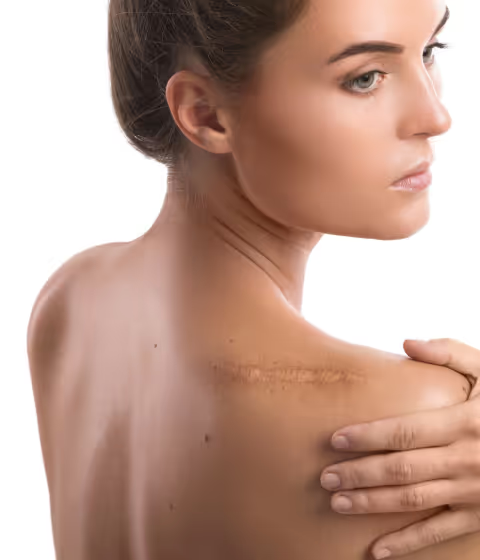
Scarring is a major concern with any deep skin cyst, especially if it was previously squeezed or manipulated at home. A professional can use techniques that minimize tissue trauma during the removal process, resulting in a much cleaner healing phase. If a scar has already formed from a previous cyst, the practice offers several rejuvenation treatments to help smooth the skin and restore its natural appearance. This comprehensive approach to skin health is a hallmark of the care provided by the clinical team.
The Dangers of Self Treatment and Home Extractions
One of the most common mistakes patients make is attempting to "pop" or drain an ingrown hair cyst themselves using unsterile tools like needles or tweezers. This behavior often pushes the infection deeper into the dermis, leading to a much more severe condition called cellulitis. At EmilMD, Dr. Kohan frequently treats patients who have exacerbated a simple ingrown hair into a significant medical issue through well intentioned but dangerous home extractions. The skin is the body's primary barrier against infection, and breaking that barrier in an unsterile environment is a major risk.
Furthermore, self treatment often fails to remove the entire hair or the cyst wall, which almost guarantees that the problem will return. A professional has the lighting, magnification, and surgical tools necessary to ensure the entire lesion is cleared. Attempting to handle a deep cyst at home can also lead to permanent hyperpigmentation or "pitting" of the skin, which can be difficult to correct later. The team at the practice provides a safe and controlled environment where these issues can be handled with the precision they require.
The risks associated with DIY skin surgery far outweigh the convenience of trying to fix the problem at home. By waiting to see a specialist, you are choosing a path that prioritizes long term skin integrity over a quick, and often incomplete, fix. Here's a summary of why professional care is superior to home management for cystic lesions.
- Professionals use medical grade sterilization to prevent the introduction of dangerous bacteria into the bloodstream.
- A doctor can provide local numbing agents, making the removal process completely painless for the patient.
- Specialists are trained to identify the exact depth of the cyst to ensure total removal of the offending hair.
- Medical facilities have the equipment to test the contents of the cyst if there is any doubt about the diagnosis.
- Clinical follow up ensures that the wound heals properly without developing thick or keloid scarring.
By choosing to see the experts at EmilMD, you are taking a responsible step toward resolving your skin concern once and for all. The practice understands that even a small cyst can be a source of significant anxiety and physical discomfort. They provide a compassionate and efficient experience that gets you back to feeling your best without the risk of unnecessary complications.
In addition to treating the immediate problem, the medical team can evaluate whether your prone status to ingrown hairs is linked to an underlying hormonal or dermatological condition. This broader view of your health is something that cannot be achieved through home care alone. This dedication to finding the root cause of the issue is what sets a professional medical practice apart from general skin care advice.
Ensuring Long Term Skin Health and Clarity
The health of your skin is a reflection of your overall well-being and the care you provide it. When an ingrown hair cyst persists, it is a signal from your body that the natural healing process has stalled. Seeing a professional like Dr. Emil Kohan ensures that this process is restarted in a controlled and effective manner. At EmilMD, the focus is not just on the immediate removal of the cyst but on restoring the clarity and health of the surrounding skin. This is achieved through a combination of expert clinical technique and a commitment to patient education.
As you move forward after a professional treatment, you will find that your skin is more resilient and less prone to the painful cycles of inflammation. The guidance you receive from the medical team will empower you to manage your skin with confidence. This long term perspective is a vital part of the relationship between the patient and the physician. Whether the issue is a single stubborn cyst or a chronic condition, the path to clear skin always starts with a professional consultation.
The philosophy of the practice is built on the idea that every patient deserves a clear and healthy complexion. By addressing ingrown hair cysts with medical precision, the team helps patients avoid the physical and emotional stress of chronic skin issues. This commitment to excellence is seen in every aspect of the care provided at the office.
- The consultation provides a clear and accurate diagnosis.
- Treatment is performed with the highest regard for patient comfort and safety.
- Post-care education helps prevent future occurrences and maintains skin health.
As the skin heals from a professional extraction, the risk of permanent damage is significantly reduced. This allows patients to maintain a smooth and even skin tone, even in areas that were previously troubled by cysts. The experts at EmilMD take great pride in these successful outcomes and the improved quality of life they bring to their patients.
Ultimately, knowing when to see a professional is a sign of good health literacy. It shows a respect for your body's limits and a commitment to seeking the best possible care. For anyone dealing with a persistent or painful ingrown hair cyst, the team is ready to provide the clinical support needed for a fast and effective recovery. This professional oversight is the most reliable way to ensure your skin remains healthy, clear, and pain free.
Frequently
Asked Questions
What are the primary signs that an ingrown hair cyst is actually an infection?
An infection is usually characterized by a significant increase in pain, localized heat, and redness that spreads beyond the immediate bump. You might also notice the presence of pus or a foul-smelling discharge coming from the site. At EmilMD, the experts look for these specific indicators to determine if antibiotics are necessary along with a drainage procedure. Dr. Emil Kohan advises that if you also develop a fever or feel generally unwell, the infection may be spreading, and you should seek medical attention from the clinical team immediately to prevent further complications.
Is it ever safe to pop an ingrown hair cyst at home?
It is generally not recommended to pop any deep cyst at home, as this can push bacteria deeper into the skin and lead to a much larger infection or abscess. When you squeeze a cyst, you often rupture the follicle wall, which causes more inflammation and increases the likelihood of a permanent scar. The clinical team at EmilMD uses sterile tools and precise techniques to drain cysts safely without damaging the surrounding tissue. Dr. Emil Kohan emphasizes that a professional extraction is the only way to ensure the trapped hair and the entire cyst sac are removed properly.
How does Dr. Emil Kohan treat a recurring ingrown hair cyst?
For cysts that keep coming back in the same spot, the experts at EmilMD may need to perform a small excision to remove the entire damaged hair follicle and the cyst wall. This prevents the area from becoming trapped in a cycle of inflammation and healing. Dr. Emil Kohan might also recommend laser hair removal as a long-term solution for patients who are prone to these issues. By destroying the follicle, the source of the ingrown hair is eliminated, which is often the most effective way to provide lasting relief and maintain clear skin.
Can an ingrown hair cyst lead to permanent scarring?
Yes, deep or infected cysts can lead to several types of scarring, including hyperpigmentation, indented scars, or raised keloids. This risk is significantly higher if the cyst is picked at or squeezed at home, as this causes more extensive tissue damage. At EmilMD, the clinical team focuses on minimally invasive techniques to treat the cyst while preserving the integrity of the skin. If scarring has already occurred, Dr. Emil Kohan can offer various skin resurfacing treatments to help improve the texture and appearance of the area once the initial cyst has been fully resolved.
How long should I wait for a cyst to heal on its own before calling a doctor?
If a cyst does not show any signs of improvement after three to five days of warm compresses and gentle care, it is time to consult a professional. You should not wait if the pain is increasing or if the area is becoming significantly more red and swollen. The experts at EmilMD prefer to see patients earlier in the process when the cyst is easier to treat and before a major infection develops. Dr. Emil Kohan and his staff can provide a quick assessment and treatment that can save you from weeks of discomfort and potential complications.
What is the difference between an ingrown hair cyst and a regular pimple?
A pimple is usually a blockage of a pore by oil and dead skin, while an ingrown hair cyst is a deeper inflammatory reaction caused by a hair that has curled back into the skin. Cysts tend to be larger, deeper, and more painful than a standard pimple and often do not have a visible "whitehead." At EmilMD, the clinical team uses their diagnostic expertise to distinguish between these common skin issues. Dr. Emil Kohan ensures that the correct treatment is applied, as a deep cyst requires different management than a superficial blemish to prevent recurrence.
Does insurance typically cover the treatment of an ingrown hair cyst?
In many cases, the treatment of a painful or infected cyst is considered a medical necessity rather than a cosmetic concern, and it may be covered by insurance. The staff at EmilMD can help you understand your coverage and provide the necessary documentation for your insurance provider. Dr. Emil Kohan provides detailed clinical notes to explain the necessity of the procedure, whether it involves an incision and drainage or a course of antibiotics. It is always a good idea to check with your specific plan, but the medical nature of an infected cyst often falls under standard healthcare benefits.
Are there specific areas of the body where these cysts are more dangerous?
Cysts located near the eyes, on the neck, or in the groin area can be more concerning because of the proximity to vital structures and the risk of the infection spreading more rapidly. In these sensitive areas, the clinical team at EmilMD takes extra precautions to ensure the procedure is performed safely and with minimal risk of complications. Dr. Emil Kohan recommends that any cyst in a high-friction or sensitive area be evaluated by a professional sooner rather than later to prevent the situation from escalating into a more serious medical emergency that requires more invasive treatment.
Bringing Artistry to Plastic Surgery