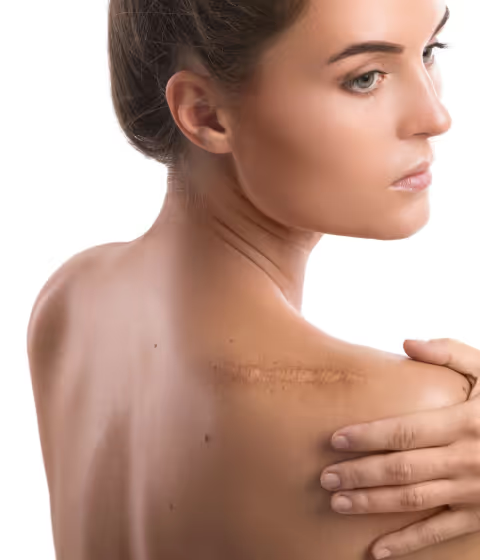
What kind of scarring should I expect from a lift and augmentation combo?

When undergoing a combined breast lift and augmentation at EmilMD, you should expect incisions that allow for both the insertion of the implant and the removal of excess skin. While scars are an inevitable part of surgery, Dr. Kohan utilizes advanced suturing techniques to ensure they are placed discreetly and fade significantly over time, resulting in a rejuvenated and natural appearance.
Table of contents
The decision to combine a breast lift with an augmentation is a powerful choice for patients looking to restore both volume and position in a single surgical session. This procedure, often referred to as an augmentation mastopexy, addresses the complexities of skin laxity while simultaneously enhancing the size and shape of the breast. Because this surgery involves two distinct objectives, the incision patterns are naturally more comprehensive than those used for a simple augmentation. Understanding the nature of these scars is a vital part of the preparation process for any patient in the Los Angeles area.
Dr. Kohan approaches every surgery with a primary focus on minimizing the visual impact of scars while achieving a dramatic aesthetic improvement. Modern plastic surgery techniques have evolved to allow for precise tissue management, ensuring that incisions are placed where they can be most easily hidden by bras and swimwear. During the initial consultation, the team at the office takes the time to map out these patterns, explaining how each line serves a specific purpose in the reconstruction of the breast. This transparency helps set realistic expectations and reduces anxiety about the healing process.
It is important to remember that a scar is the body’s natural way of healing after a significant physical change. While the marks are most visible in the weeks immediately following the surgery, they undergo a remarkable transformation over the course of a year. With the right aftercare and the expertise of a board certified surgeon, these lines typically fade into thin, faint marks that are well worth the trade off for a lifted and fuller contour. The experts at EmilMD are committed to guiding you through this maturation process, providing the tools and knowledge necessary for optimal skin recovery.
Common Incision Patterns for Combined Procedures
The specific pattern of scarring for a lift and augmentation depends largely on the degree of sagging that needs to be corrected. Surgeons categorize these patterns based on the shape of the incision, ranging from a circle around the areola to a full anchor shape. The goal is always to use the most conservative approach possible that will still provide a lasting and stable result. In a combined procedure, the implant is typically placed through the same incisions used for the lift, which prevents the need for additional marks in the armpit or under the breast fold.
Choosing the right pattern is a collaborative effort between the patient and the surgeon. Factors such as the desired size of the implant and the amount of skin that must be removed will dictate the final surgical plan. At the practice, the team prioritizes a customized approach to ensure that the scarring is proportional to the correction required. The following list describes the most common incision types used for an augmentation mastopexy:
- Periareolar (Donut) Incision: A single circular incision around the edge of the areola, used for very mild lifting and small volume increases.
- Vertical (Lollipop) Incision: An incision that circles the areola and extends straight down to the breast fold, suitable for moderate lifting needs.
- Inverted T (Anchor) Incision: The most comprehensive pattern, involving a circle around the areola, a vertical line, and a horizontal line along the breast fold for significant lifting.
- Crescent Incision: A small, half moon shaped incision at the top of the areola, used for very subtle repositioning in specific cases.
The "anchor" lift is often the most effective choice for patients with significant skin laxity, as it allows the surgeon to reshape the entire breast envelope. While it involves more linear scarring, it also provides the most dramatic and youthful transformation. Dr. Kohan ensures that the horizontal portion of the anchor is tucked neatly into the natural crease under the breast, making it nearly invisible when the patient is standing. This strategic placement is a key element of the practice’s surgical philosophy.
Factors Influencing the Final Appearance of Scars
Not all scars heal the same way, as the final result is influenced by a variety of biological and environmental factors. Genetics play a significant role in how your body produces collagen and closes wounds. Some individuals are naturally prone to thicker or more pigmented scars, while others heal with almost no visible trace. Beyond genetics, the tension placed on the incision during the healing process is perhaps the most critical factor that a surgeon can control.
Dr. Kohan uses specialized multi layered suturing techniques to take the tension off the surface of the skin. This ensures that the edges of the incision stay close together, which is essential for a thin and flat scar. Additionally, the patient's lifestyle choices in the months following surgery can either help or hinder the maturation of the marks. To ensure the best possible outcome, the following factors are closely monitored and managed by the clinical team:
- Skin Quality and Elasticity: Healthy, hydrated skin with good elasticity tends to heal more predictably and maintain the shape of the surgical repair.
- Sun Protection: Protecting healing scars from UV exposure is vital, as sunlight can cause permanent darkening or hyperpigmentation of the incision line.
- Nutrition and Hydration: A diet rich in Vitamin C, zinc, and protein provides the essential nutrients needed for the body to build strong, healthy scar tissue.
- Smoking and Nicotine Use: Nicotine is a major deterrent to healing, as it constricts blood vessels and can cause scars to widen or even open.
By managing these variables, the experts at EmilMD help every patient achieve the best possible skin recovery. While the surgeon provides the technical foundation, the patient’s commitment to aftercare completes the process. This partnership ensures that the scars become a minor and barely noticeable part of a successful transformation. Understanding these influences allows you to take an active role in your own healing journey.
The Timeline of Scar Maturation
Healing is a dynamic process that occurs in distinct stages over the course of twelve to eighteen months. In the first few weeks, the incisions may appear red, raised, or slightly bumpy, which is a normal part of the inflammatory phase of healing. This is the time when the body is sending blood and nutrients to the site to begin the repair work. Many patients are surprised by how much the appearance of their scars changes between the three month and one year milestones.
The team at the practice provides a detailed timeline so that patients do not become discouraged during the early stages. It is important to remember that what you see at one month is not the final result. As the internal stitches dissolve and the collagen fibers reorganize, the scars will naturally flatten and lighten. To help you track your progress, consider the following phases of scar development:
- Phase 1 (Weeks 1 to 6): The incisions are closed and may appear pink or red. This is the period where the skin is most sensitive and requires the most protection.
- Phase 2 (Months 2 to 6): The scars may become slightly firmer or darker before they begin to fade. This is often when scar management protocols are at their peak.
- Phase 3 (Months 6 to 12): Significant fading occurs as the redness dissipates and the tissue softens. The scars begin to blend in more with the surrounding skin.
- Phase 4 (Year 1 and Beyond): The scars reach their final state, typically appearing as thin, pale lines that are soft to the touch and inconspicuous.
Following this timeline requires patience and trust in the body’s ability to heal. Dr. Kohan and his staff are available during every phase to provide reassurances and adjustments to your care plan if needed. Most patients find that by the one year mark, they are so thrilled with their new shape and lift that the scars are no longer a primary concern. The evolution of the skin is a testament to the meticulous care provided during the surgery.
Advanced Scar Management Protocols
To further improve the final look of the incisions, the office utilizes a variety of advanced scar management tools. These treatments are designed to support the skin’s natural healing process and minimize the risk of thickened or raised scars. Starting a scar regimen at the right time is crucial, and the team will provide a specific start date based on how quickly your incisions close. These protocols are a standard part of the comprehensive care at the practice.
From silicone based products to specialized laser treatments, there are many ways to refine the appearance of surgical marks. The choice of treatment is tailored to the patient’s skin type and the specific location of the scars. By being proactive, the clinical team ensures that every patient has the best possible aesthetic outcome. Here are the most effective scar management options used at the clinic:
- Silicone Sheets and Gels: These products create a protective barrier that keeps the scar hydrated and flat, which is the gold standard for post operative care.
- Laser Resurfacing: For patients with persistent redness or texture issues, targeted laser treatments can help blend the scar into the surrounding skin.
- Sunscreen Application: Using a high SPF directly on the scars once they are healed is mandatory to prevent permanent darkening from the sun.
- Gentle Massage: Once the incisions are fully stable, gentle massage can help break up internal scar tissue and keep the area soft and pliable.
These treatments are easy to incorporate into your daily routine and provide a significant boost to the healing process. Dr. Kohan’s team will guide you on the proper application techniques to ensure you get the maximum benefit from each product. This level of post operative support is what distinguishes a top tier plastic surgery experience. By investing a few minutes each day in scar care, you can ensure that your results look as beautiful as possible.
Realistic Expectations and Long Term Satisfaction
Maintaining realistic expectations is the key to a happy and successful surgical experience. It is important to accept that while a lift and augmentation will leave scars, the improvements in breast position, volume, and projection are usually considered well worth the trade off. For many women, the scars are a small price to pay for the ability to wear clothing with confidence and feel rejuvenated in their own skin. The goal of the surgery is not perfection but a significant and meaningful improvement.
Dr. Kohan and his staff are dedicated to ensuring that you feel fully informed and satisfied with every aspect of your care. They understand that for many, the fear of scarring is a major hurdle to overcome. By showing before and after photos of long term results, the team helps patients see how these marks truly fade and disappear into the natural contours of the body. This visual evidence is often the most convincing way to understand the reality of surgical healing.
Your satisfaction comes from the harmony and balance that the surgery brings to your figure. The lift restores the youthful placement of the nipple and areola, while the augmentation provides the fullness that may have been lost over time. This combination produces a result that is both functional and beautiful. When you choose a surgeon who values technical precision and patient education, you can move forward with the confidence that your scars will be managed with the highest level of expertise.
Maintaining Your Results for a Lifetime
The long term beauty of your lift and augmentation depends on more than just the initial healing phase. As the years go by, the quality of your skin and the stability of your weight will play a role in how your scars and your new breast shape are maintained. The practice emphasizes the importance of a healthy lifestyle as the final step in your surgical plan. By taking care of your body, you are protecting the artistry and effort that went into your transformation.
The team at EmilMD remains a resource for you long after your final follow up appointment. Whether you have questions about new skincare products or want to discuss future aesthetic goals, the office is always available. This lifelong commitment to patient care is a core value of the practice. You are encouraged to stay in touch and share your progress as you enjoy the lasting benefits of your surgery.
As you conclude your research into the scarring associated with a lift and augmentation, remember that you are in expert hands. Every incision is made with the goal of providing a result that you will be proud to show off. With the combination of Dr. Kohan’s surgical skill and your commitment to aftercare, you can achieve a stunning transformation that looks natural and feels authentic. The path to a more confident you is paved with clear information and professional support.
Frequently
Asked Questions
Will the scars from my lift and augmentation be visible in a bikini?
One of the primary goals for Dr. Emil Kohan is to place incisions where they are easily concealed by standard swimwear and lingerie. For most augmentation mastopexy procedures, the scars are located around the areola and within the natural crease of the breast fold. This means that even with a combined procedure, the experts at EmilMD ensure your results look natural and the evidence of surgery is hidden. During your consultation, the team will show you exactly where the lines will be placed in relation to your favorite clothing styles.
Does a lift and augmentation combo result in more scarring than a simple lift?
A combined procedure typically uses the same incision patterns as a standalone breast lift, so you do not necessarily gain extra scars by adding an implant. The implant is usually inserted through the lift incisions, which is an efficient technique that Dr. Emil Kohan uses to minimize trauma to the skin. The clinical team at EmilMD will explain that while the incisions are more extensive than a simple augmentation, the "combo" approach is designed to be as streamlined as possible to ensure a beautiful, singular healing process.
Can Dr. Kohan perform a lift and augmentation with only an incision around the areola?
A "donut" or periareolar lift can sometimes be combined with an augmentation if the patient has only a very mild amount of sagging. However, if there is significant skin laxity, a vertical or anchor pattern may be necessary to achieve a stable and attractive result. Dr. Emil Kohan’s expert team prioritizes the longevity of your results, and he will recommend the incision pattern that provides the best support for the new implant while ensuring the lift lasts for many years. EmilMD focuses on the most effective technique for your unique anatomy.
How can I prevent my scars from becoming thick or dark after surgery?
The best way to prevent poor scarring is to strictly follow the post operative care plan provided by EmilMD. This includes using silicone scar strips, staying out of the sun, and avoiding nicotine, which can severely impair blood flow to the incisions. Dr. Emil Kohan also utilizes advanced, tension free suturing techniques to help the skin heal as a thin, flat line. By being diligent with your aftercare and attending all follow up appointments, you give your body the best environment to produce a faint and inconspicuous scar.
Are there specific skin types that are more prone to visible scarring?
Patients with darker skin tones or those with a family history of keloids or hypertrophic scarring may have a higher risk of more prominent marks. However, the team at EmilMD is highly experienced in treating a wide variety of skin types and will adjust your surgical and aftercare plan accordingly. Dr. Kohan may recommend specific preventative treatments or a more aggressive scar management protocol to ensure that every patient, regardless of their skin type, achieves a refined and aesthetically pleasing outcome.
How long after the surgery can I start using scar creams or silicone sheets?
Most patients are cleared to begin their scar management regimen about three to four weeks after surgery, once the incisions are completely closed and any scabbing has naturally resolved. The clinical team at EmilMD will give you a specific timeline during one of your early follow up visits. Dr. Emil Kohan emphasizes that starting these treatments at the right time is essential for their effectiveness, as applying products too early can sometimes interfere with the initial wound healing process.
Will the scars eventually disappear completely?
While surgical scars are permanent and will never disappear entirely, they typically fade to a point where they are very difficult to see. Over the course of 12 to 18 months, the red or pink color will dissipate, and the lines will soften and flatten. Dr. Emil Kohan’s goal is to provide a transformation so natural that the scars become a secondary thought. Many patients at EmilMD find that their new confidence and improved silhouette far outweigh any concerns about the faint lines that remain.
Bringing Artistry to Plastic Surgery