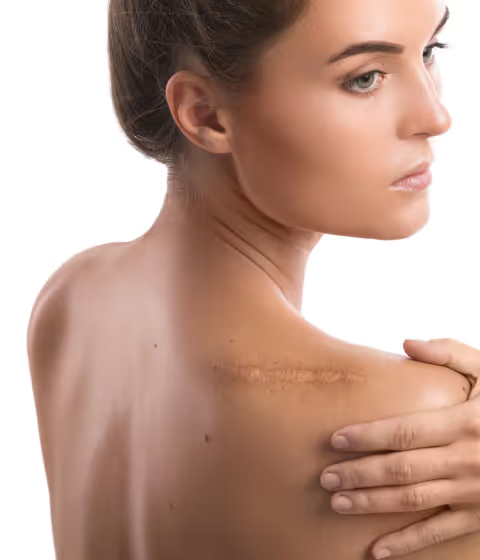
Why is it important to see a specialist when treating dark skin?

Treating dark skin requires a specialized understanding of melanin physics to avoid complications like hyperpigmentation or scarring. Dr. Emil Kohan at EmilMD utilizes specific laser wavelengths and conservative energy settings to ensure that patients with higher Fitzpatrick scores receive effective results without compromising the safety or integrity of their skin barrier.
Table of contents
The biological diversity of human skin means that a universal approach to laser resurfacing is not only ineffective but potentially hazardous. Darker skin tones, specifically those categorized as Fitzpatrick types IV through VI, possess a higher density of melanin which acts as a natural defense against ultraviolet radiation. However, this same melanin also serves as a competitive chromophore that can absorb laser energy intended for deeper targets, leading to unintended thermal injury if the device is not calibrated correctly.
Navigating the complexities of skin of color requires a deep understanding of how light interacts with pigmented cells. A specialist must account for the narrow therapeutic window where the energy is high enough to stimulate collagen but low enough to avoid triggering a massive inflammatory response from the melanocytes. This balance is achieved through the use of specific pulse durations and cooling technologies that protect the epidermis while treating the underlying dermal structures.
At EmilMD, the approach to treating dark skin is rooted in precision and patient safety. Because the risk of post-inflammatory hyperpigmentation is significantly higher in darker complexions, a specialist will often implement a multi-phase treatment plan that includes pre-treatment conditioning. This preparatory phase stabilizes the melanocytes, making the skin more resilient and predictable when exposed to the thermal stress of a laser or chemical peel.
The Physics of Laser Interaction with Melanin
The primary reason to seek a specialist like Dr. Emil Kohan is the physical interaction between laser light and epidermal pigment. Most traditional lasers target melanin as their primary goal, which works well for removing dark spots on light skin but creates a significant risk for those with naturally dark complexions. If the laser cannot distinguish between a targeted lesion and the surrounding healthy skin, it can cause widespread burns or permanent loss of pigment known as hypopigmentation.
Specialists utilize specific wavelengths, such as the 1064 nm Nd:YAG laser, which bypasses the surface melanin more effectively than shorter wavelengths. This allows the energy to reach deeper targets like hair follicles or vascular structures without overheating the skin surface. Understanding these nuances is the difference between a successful rejuvenation and a long term complication that requires extensive corrective work.
Furthermore, the cooling mechanisms integrated into modern laser systems must be used with expert timing to shield the skin. A specialist understands how to manipulate these cooling parameters to keep the skin surface at a safe temperature while the therapeutic heat does its work below. This level of technical control is rarely found outside of a dedicated medical environment where the practitioners are specifically trained in the nuances of ethnic skin.
- Pre Treatment Suppression: Patients are often started on tyrosinase inhibitors several weeks before the procedure to reduce melanin activity.
- Test Spotting: A specialist will perform a small test patch in an inconspicuous area to observe how the skin reacts to specific energy settings.
- Gradual Energy Escalation: Instead of using high heat in one session, the clinician may use multiple lower energy passes to achieve the goal safely.
- Internal Cooling: The use of chilled tips or cryogen sprays during the procedure prevents the accumulation of heat in the upper layers of the dermis.
- Post Treatment Calming: Immediate application of anti inflammatory agents and specialized dressings helps to transition the skin into a healing state.
- Rigorous Follow Up: Frequent check ins allow the specialist to monitor for early signs of darkening and intervene with topical treatments if necessary.
The inflammatory cascade in dark skin is much more robust than in lighter skin types. When the skin perceives an injury, it sends signals to the melanocytes to produce extra pigment as a form of protection. If this process is not carefully managed by the experts at EmilMD, it can result in dark patches that take months or even years to fade. A specialist knows how to recognize the early "ghosting" of inflammation and can adjust the post care routine to suppress this pigment response.
By focusing on the biological triggers of hyperpigmentation, the clinical team can provide treatments that actually improve the skin's tone rather than complicating it. This often involves a slower, more methodical approach that prioritizes the health of the skin barrier over immediate, aggressive results. Patients with dark skin benefit most from a practitioner who values long term stability and safety as much as the final aesthetic outcome.
Risks of Improper Treatment in Non Specialized Settings
Choosing a generalist or an inexperienced technician for laser treatments on dark skin can lead to irreversible damage. One of the most common issues is the "tiger striping" effect, where uneven laser passes create permanent lines of altered pigment across the face or body. This occurs when the provider does not understand the importance of pulse overlap and energy density on sensitive, pigmented skin.
Keloid scarring is another significant risk for certain individuals with darker skin tones. A specialist will perform a thorough physical exam to identify any history of abnormal scarring before recommending an invasive laser procedure. If the skin is prone to overproducing fibrous tissue, the clinician might opt for non heat based treatments or use very specific laser settings that minimize the risk of triggering a keloid response.
In some cases, improper laser use can cause "rebound hyperpigmentation," where the skin initially looks better but then darkens significantly a few weeks later. This is usually the result of excessive heat trapped in the dermis that the provider failed to cool or suppress properly. Only a specialist has the clinical tools and pharmacological knowledge to reverse these issues if they begin to manifest during the recovery process.
- Device Selection: Not all lasers are safe for dark skin; a specialist ensures only appropriate, FDA cleared technology is used.
- Wavelength Mastery: Different skin concerns require different depths, and a specialist knows which wavelength reaches the target without hitting the melanin.
- Pulse Duration Control: Shorter pulses can sometimes be safer because they deliver energy faster than the skin can conduct heat to surrounding cells.
- Spot Size Calibration: The size of the laser beam affects how the heat is distributed, requiring precise adjustments for darker skin.
The specialized equipment required to treat dark skin safely is an investment that many general spas do not make. These devices require advanced calibration and regular maintenance to ensure the energy output remains consistent and safe. Dr. Emil Kohan maintains a suite of technology specifically chosen for its versatility and safety profile across all skin types, ensuring that every patient has access to the best possible care.
Beyond the technology, the clinical judgment of the provider is the most important safety feature. A specialist knows when to say "no" to a specific treatment if the risks outweigh the benefits for a particular patient's skin chemistry. This ethical and medical oversight provides a layer of protection that is essential for anyone with a higher Fitzpatrick skin score seeking cosmetic improvement.
Customized Protocols for Ethnic Skin Rejuvenation
A specialist does not use a "one size fits all" protocol but instead creates a customized roadmap for each individual. This may involve combining laser therapy with chemical peels specifically formulated for dark skin, such as those using mandelic or salicylic acid. These combinations allow for a more comprehensive treatment of issues like acne, oily skin, and uneven texture without the risks associated with high heat lasers.
The role of hydration is also emphasized more heavily in specialized protocols for dark skin. Dehydrated skin is more prone to irritation and pigment changes, so the specialist will often integrate professional grade hydrators into the treatment plan. This focus on the "internal environment" of the skin ensures that the regenerative processes triggered by the laser are supported by a healthy, well nourished cellular matrix.
- The Consultation Phase: This involves a deep dive into the patient's ethnic background and how their skin has historically reacted to cuts, burns, or sun exposure.
- The Priming Phase: Specialized creams are used for two to four weeks to "quiet" the pigment producing cells before any light energy is introduced.
- The Procedure Phase: The treatment is performed with constant monitoring of skin temperature and immediate cooling of the treatment zones.
- The Stabilization Phase: Post procedure care focuses on cooling, sun block, and anti inflammatories to prevent the skin from "overreacting" to the treatment.
Every step of this process is designed to mitigate the unique risks faced by patients with darker skin. The goal is to achieve the desired aesthetic result—whether that is smoother skin, fewer wrinkles, or a more even tone—while keeping the melanocytes in a state of rest. This sophisticated approach is what allows the team at EmilMD to achieve significant results for patients who were previously told they were not candidates for laser surgery.
A specialist also provides the necessary education to help patients maintain their results at home. This includes guidance on which over the counter products to avoid, as many common "brightening" agents can be too harsh for dark skin after a laser procedure. By empowering the patient with the right knowledge, the specialist ensures that the clinical results are protected and enhanced by the patient's daily habits.
The Importance of Experience and Clinical Oversight
When dealing with the complexities of melanin, there is no substitute for clinical experience. A specialist has seen a vast array of skin responses and can often predict how a patient will heal based on subtle cues in the skin's appearance during the first few minutes of a treatment. This "real time" adjustment is a hallmark of expert care and is crucial for preventing complications before they happen.
Moreover, a medical specialist has the authority to prescribe pharmaceutical grade treatments that are often necessary for managing skin of color. If a patient shows signs of darkening post treatment, the specialist can immediately prescribe a custom compounded cream to halt the process. This immediate medical intervention is often the difference between a temporary side effect and a permanent skin change.
The team at EmilMD prides itself on being a leader in the treatment of diverse skin populations. By staying at the forefront of dermatological research and laser physics, they provide a safe haven for patients who want the benefits of modern aesthetic medicine without the fear of damaging their natural beauty. The commitment to specialized care ensures that every patient, regardless of their skin tone, can achieve a radiant and healthy complexion.
Key takeaways for patients with dark skin include the necessity of a conservative, phased approach to any light based therapy. Significant results are entirely possible, but they must be earned through a partnership with a provider who understands the biological rules of highly pigmented skin. This cautious path is the most reliable way to ensure that the skin remains vibrant, even, and free of the scars or discolorations that can result from improper treatment.
Dr. Emil Kohan provides a level of expertise that respects the unique needs of every skin type. By prioritizing safety and utilizing the most advanced tools available, the office helps patients achieve their aesthetic goals with confidence. This specialized focus transforms the possibilities for patients with dark skin, offering them access to the same transformative technologies as everyone else, but with the necessary safeguards in place.
Frequently
Asked Questions
What is the biggest risk of using the wrong laser on dark skin?
The most significant danger involves post-inflammatory hyperpigmentation, which the team at EmilMD works tirelessly to prevent through careful laser selection. If a laser with the wrong wavelength is used, it can cause the skin to overproduce melanin in response to the heat, resulting in long lasting dark patches. Dr. Emil Kohan utilizes specialized cooling and specific laser settings to ensure that the heat remains localized and does not trigger this defensive pigment response.
How does a specialist prepare dark skin for a laser treatment differently than light skin?
Preparation for patients with darker skin tones at EmilMD often involves a multi week "priming" phase using topical agents like hydroquinone or kojic acid. These ingredients help to suppress melanocyte activity so that the skin does not overreact to the laser energy. This preparatory step, overseen by Dr. Emil Kohan’s expert team, is essential for ensuring a predictable healing process and minimizing the chance of any pigment complications.
Are there specific lasers that are considered "gold standard" for patients with more melanin?
The 1064 nm Nd:YAG laser is frequently cited by the experts at EmilMD as one of the safest and most effective options for darker skin tones due to its deep penetration and low melanin absorption. Unlike other lasers that might scatter energy at the surface, this wavelength travels deeper into the dermis to target concerns like hair or collagen without burning the epidermis. EmilMD invests in this specific technology to provide a safe and effective treatment environment for our diverse patient population.
How long does the recovery process take for dark skin compared to lighter skin?
While the initial surface healing may look similar, EmilMD advises patients with dark skin that the "pigment stabilization" phase can take slightly longer. The skin may remain sensitive to the sun for several weeks, and any redness must be monitored closely to ensure it does not turn into brown spots. The clinical team at EmilMD provides a specific recovery timeline that includes extra sun protection and gentle products to support the skin's unique needs during this critical time.
Can laser treatments help with the specific types of scarring common in dark skin, such as keloids?
Treating keloids requires extreme caution because any further injury can cause the scar to grow, which is why seeing a specialist at EmilMD is so vital. Dr. Emil Kohan may use a combination of specialized laser pulses and steroid injections to flatten the scar and reduce redness without triggering a new growth response. This nuanced approach allows the experts at EmilMD to improve the appearance of complex scars that general practitioners might be hesitant to treat.
What should I look for when choosing a provider for laser treatments if I have dark skin?
You should prioritize a provider who has a deep understanding of the Fitzpatrick scale and a proven track record of treating skin of color, such as Dr. Emil Kohan. Ask the office about the specific types of lasers they use and whether they have cooling systems designed to protect pigmented skin. At EmilMD, we are transparent about our technology and our protocols, ensuring that every patient feels educated and safe before beginning their rejuvenation process.
Bringing Artistry to Plastic Surgery