What should I expect during the healing phase of a total body lift?

The healing phase of a total body lift involves a multi-stage recovery process that begins with a short hospital stay and progresses through several weeks of restricted activity. At EmilMD, Dr. Kohan emphasizes that while initial swelling and discomfort are expected, diligent adherence to compression garment use and a structured mobility plan ensures a safe transition to a contoured and rejuvenated physique.
Table of contents
Undergoing a total body lift is a transformative experience that addresses extensive skin laxity following significant weight loss or the natural aging process. Because this procedure often combines an abdominoplasty, a lateral thigh lift, and a buttock lift into a single operative session, the recovery demands a higher level of commitment than smaller, isolated surgeries. The body requires substantial energy to heal the various incision sites that span the midsection and lower extremities. Understanding the timeline of this healing journey allows patients to prepare both physically and mentally for the weeks ahead.
The initial days following the surgery are focused on stability and safety. Most patients will spend at least one to two nights in a clinical setting where the experts at EmilMD can monitor vital signs and manage pain levels through intravenous medications. During this time, the surgical team will also track the output of the several drains placed to prevent fluid accumulation. This early period of professional supervision is the foundation of the recovery, ensuring that the patient is stable enough to continue their healing in the comfort of their own home.
Once discharged, the focus shifts to a gradual reintroduction of movement and the management of swelling. It is completely normal to feel a sense of tightness across the torso and thighs, as the skin has been redraped to create a firmer contour. The inflammatory response is at its peak during the first week, leading to noticeable bruising and edema. At EmilMD, the recovery protocol is designed to mitigate these side effects while supporting the body's natural regenerative processes through proper nutrition and hydration.
The Immediate Post-Operative Window
The first fourteen days are arguably the most intensive part of the healing phase. During this time, the primary goal is to protect the integrity of the long incisions while preventing complications such as blood clots. Patients are encouraged to walk short distances within their home multiple times a day. This gentle movement promotes circulation and helps to reduce the risk of deep vein thrombosis. However, any strenuous activity, heavy lifting, or sudden twisting movements must be strictly avoided to prevent the incisions from pulling or opening.
Managing the surgical drains is a significant part of the daily routine during the first two weeks. These small tubes are essential for removing excess fluid that naturally builds up after such an extensive procedure. The clinical staff at EmilMD provides detailed instructions on how to empty the bulbs and record the fluid volume. Typically, the drains are removed in the office once the output reaches a consistently low level. This is often the first major milestone that makes the patient feel significantly more mobile and comfortable.
- Emptying and recording the fluid from all surgical drains at least three times per day to ensure they are functioning correctly.
- Taking prescribed pain medications and muscle relaxants on a strict schedule to stay ahead of any significant discomfort.
- Checking the incision sites daily for any signs of unusual redness or discharge, as instructed by the EmilMD team.
- Wearing the medical grade compression garments twenty-four hours a day to provide support and minimize internal swelling.
- Performing gentle ankle pumps and calf flexes while resting to keep the blood flowing in the lower legs.
As the second week concludes, many patients notice a shift in their energy levels. While the fatigue remains present, the sharpest pains usually subside into a duller ache. The incisions begin to form solid scabs, and the initial bruising starts to change colors as the body reabsorbs the trapped blood. This is the period where patience is most required, as the body is doing a massive amount of internal work that is not yet fully visible on the surface.
Maintaining a high protein diet is crucial during this phase. The body uses amino acids as the building blocks for new tissue, and a lack of proper nutrition can lead to delayed healing or poor scar quality. The experts at EmilMD recommend staying away from high sodium foods, as salt can exacerbate the swelling that is already present. Drinking plenty of water also helps the lymphatic system process the surgical fluids more efficiently.
The Transition to Normal Activity
Between three and six weeks post-op, the recovery enters a phase of gradual return to normalcy. Most patients find that they can return to sedentary work during the third week, provided they have the flexibility to stand and stretch frequently. The "surgical fog" or mental fatigue typically clears by this point, allowing for better concentration. While the compression garment is still a mandatory part of the daily attire, many find they can transition to a slightly less restrictive version for comfort.
This is also the time when Dr. Emil Kohan typically clears patients for more varied movements, such as light stretching or longer walks. However, the internal sutures that support the new muscle and skin contours are still gaining strength. Engaging in core-heavy exercises or high-impact activities too early can lead to a condition called seroma, where fluid pockets form because the tissues have been agitated. Following the specific activity milestones provided by the EmilMD team is the best way to avoid these setbacks.
- Scar Management: Beginning the use of silicone sheets or gels once the incisions have fully closed to encourage flat and faded scars.
- Garment Adjustment: Transitioning to a secondary compression garment that allows for more freedom of movement while still controlling edema.
- Increased Mobility: Incorporating light household chores and longer walks to rebuild stamina and muscle tone.
- Nerve Regeneration: Noticing itching or "zinging" sensations as the peripheral nerves begin to wake up in the treated areas.
By the end of the first month, the new shape of the body becomes much more apparent. The extreme swelling that characterized the first few weeks begins to soften, revealing the sculpted waistline and smoother thighs. Many patients report that this is when they first truly appreciate the results of their total body lift. It is a period of great psychological relief, as the physical burden of the recovery begins to lessen and the aesthetic rewards become clear.
It is important to remember that healing is not a perfectly linear process. Some days may feel like a step forward, while others may be characterized by a temporary return of swelling or fatigue. This is particularly common if a patient tries to do too much too soon. The clinical team at EmilMD is always available to provide reassurance and guidance during these fluctuations, ensuring that the patient remains on the right track toward a full recovery.
Long-Term Healing and Result Finalization
The final phase of healing occurs between two and six months after the surgery. During this time, the residual internal swelling—which can be quite stubborn in the lower back and thighs—gradually dissipates. The skin continues to shrink and conform to the new underlying structure, a process that is enhanced by the continued use of compression for as long as the surgeon recommends. Most patients can return to full gym activities and heavy lifting by the end of the second month, provided their healing has been uncomplicated.
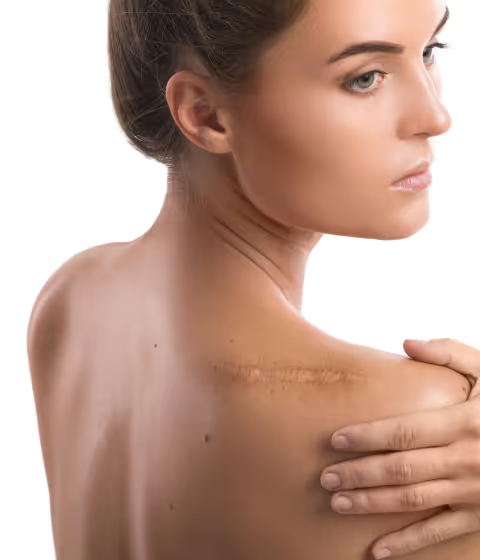
Scar maturation is the slowest part of the process. Initially, the scars will appear pink or even purple and may feel slightly raised. Over the course of a year, they will naturally flatten and fade to a much lighter shade. Dr. Emil Kohan’s expert team provides a comprehensive scar care protocol that includes sun protection and topical treatments to ensure the best possible outcome. While the scars from a total body lift are long, they are strategically placed to be hidden by most types of underwear and swimwear.
- Shield the surgical scars from direct sunlight for at least one year to prevent permanent darkening or hyperpigmentation.
- Continue a healthy exercise and nutrition routine to maintain the stability of the surgical results long-term.
- Attend the scheduled six-month and one-year follow-up appointments at EmilMD to document the final outcome.
- Use a high-quality moisturizer on the skin of the torso and thighs to maintain elasticity and comfort.
- Celebrate the milestone of reaching full recovery by gradually reintroducing a favorite wardrobe and activities.
By the six-month mark, the body has typically achieved about ninety percent of its final result. The tissues have softened, the incisions have matured into stable scars, and the patient has fully integrated back into their normal life. The physical and emotional benefits of the procedure are now fully realized. For many, this marks the end of a long journey that began with weight loss and culminated in a body that finally reflects their hard work and dedication.
The experts at EmilMD take great pride in seeing the life-changing results of a total body lift. The procedure is not just about removing skin; it is about restoring a person's ability to move freely and live with confidence. Through every stage of the healing phase, the practice provides the medical expertise and emotional support needed to ensure a successful transition. With the guidance of Dr. Emil Kohan, the healing phase becomes a manageable path toward a rejuvenated and empowered self.
Reclaiming Confidence and Vitality
The conclusion of the healing process is more than just a medical milestone; it is a personal victory for the patient. After months of careful recovery, the ability to engage in activities without the discomfort or self-consciousness of excess skin is a profound change. Whether it is playing with children, participating in sports, or simply feeling comfortable in a fitted outfit, the benefits of a total body lift permeate every aspect of daily life. The new silhouette is a lasting testament to the patient's resilience and the surgical team's skill.
At EmilMD, the philosophy of care extends well beyond the operating room. The practice is committed to being a partner in the patient's long-term wellness. By providing the tools and knowledge necessary for a smooth recovery, the team ensures that the results of the surgery are preserved for many years. The total body lift is a significant investment in oneself, and the healing phase is the crucial period where that investment is solidified.
The success of a total body lift is measured by the patient's satisfaction and improved quality of life. The journey through the healing phase requires discipline and patience, but the rewards are well worth the effort. With a restored body and a renewed sense of self, patients are ready to embrace a future full of possibilities. Dr. Emil Kohan and his team remain honored to be a part of such a transformative and meaningful process.
Frequently
Asked Questions
How many surgical drains will I have after a total body lift?
The number of drains can vary based on the extent of your surgery, but most patients at EmilMD will have between four and six drains placed. These are located in the abdominal area and the hips or thighs to manage fluid. They are usually removed in the office between ten and fourteen days post-surgery once the drainage volume has significantly decreased.
Is it normal to feel a sense of depression or "post-op blues" during the first few weeks?
Yes, experiencing a temporary dip in mood is actually quite common following a major surgical procedure like a total body lift. Factors such as anesthesia, changes in routine, physical discomfort, and the "anti-climax" after a long-awaited surgery can all contribute. The compassionate team at EmilMD is here to support you through these feelings, which usually resolve as you become more mobile and see your results emerging.
When can I stop wearing my compression garment for twenty-four hours a day?
Most patients are required to wear full compression for the first four to six weeks. After that, Dr. Emil Kohan may allow you to transition to wearing it for only twelve hours a day, or even switch to a lighter shapewear option. The total duration of compression use is determined by how much residual swelling you have and how well your skin is retracting during your follow-up visits at EmilMD.
Will I be able to walk completely upright immediately after the surgery?
During the first few days, you will likely walk with a slight stoop or "hunched over" position to protect the tension on your abdominal incision. This is a protective mechanism that the clinical staff at EmilMD will guide you through. Within the first week or two, you will gradually be able to stand taller as the tissues relax and your comfort levels increase.
How soon can I submerge my incisions in a bath or swimming pool?
You must wait until all your incisions are completely healed and any scabs have fallen off naturally, which usually takes about six weeks. Submerging the incisions too early can increase the risk of infection or cause the scars to widen. The experts at EmilMD will give you a specific "clearance" for bathing and swimming during one of your post-operative appointments.
How do I manage the itching that occurs as I heal?
Itching is a very common sign that your nerves are regenerating and your skin is healing. You can often manage this by keeping the skin moisturized with a bland, unscented lotion and by staying hydrated. If the itching becomes bothersome, the clinical team at EmilMD may suggest an over-the-counter antihistamine or other topical remedies to provide relief without irritating the surgical sites.
Can I travel or fly shortly after a total body lift?
It is generally recommended to avoid air travel for at least four to six weeks following a total body lift due to the increased risk of blood clots and the physical strain of navigating an airport. If travel is absolutely necessary, you must discuss it with Dr. Emil Kohan so a safety plan, including the use of compression stockings and frequent movement, can be established for your trip.
Bringing Artistry to Plastic Surgery