What is the standard recovery time for a full tummy tuck surgery?

Standard recovery for a full tummy tuck typically spans six to eight weeks for a return to normal activity, though initial healing occurs in the first fourteen days. Dr. Emil Kohan at EmilMD emphasizes that while most swelling subsides within two months, final results and scar maturation continue for up to a full year following the procedure.
Table of contents
A full tummy tuck, or abdominoplasty, is a major surgical procedure that involves the removal of excess skin and fat as well as the surgical tightening of the abdominal muscles. Because of the extensive nature of the tissue manipulation, the body requires a structured period of rest to recover its strength and ensure the integrity of the internal repairs. Patients should view recovery not as a single deadline but as a series of progressive milestones that occur over several months.
The initial phase of recovery is often characterized by significant tightness and a limited range of motion, which is a normal response to the tightening of the fascia. During the first few days, the body initiates an inflammatory response to begin the wound healing process, leading to localized swelling and bruising. Managing this early stage with professional oversight ensures that the patient remains comfortable and that the risk of complications like seroma or hematoma is kept to a minimum.
Clinical expertise at EmilMD focuses on a comprehensive aftercare plan that balances necessary immobilization with the need for early, gentle movement. By following a guided timeline, patients can navigate the transition from surgical rest to their regular daily routines without compromising the aesthetic quality of their results. Understanding each phase of the recovery allows for realistic expectations and a smoother overall experience as the new abdominal contours begin to emerge.
The Critical First Week of Post Operative Care
The first seven days after a tummy tuck are dedicated to foundational healing and safety. During this time, patients must walk with a slight forward lean to avoid putting excessive tension on the fresh incision line. This "stooped" posture is essential for protecting the skin as it begins to knit back together. Most patients find that they need assistance with basic tasks such as getting out of bed or preparing light meals during these initial 48 to 72 hours.
Pain management is a top priority during this first week, and the clinical team provides a detailed schedule for prescribed medications. It is vital to stay ahead of the discomfort to remain mobile, as absolute bed rest is discouraged due to the risk of blood clots. Short, frequent walks around the home are mandated to keep circulation active and support the respiratory system after general anesthesia.
Surgical drains are typically utilized to prevent fluid from accumulating under the skin flap, and these are usually removed toward the end of the first week. Once the drains are out and the initial swelling begins to peak and then plateau, many patients feel a noticeable boost in their energy levels. However, it is important to remain disciplined with physical restrictions, as the internal muscle repair is still in its most vulnerable state.
- Surgical Position: Patients should sleep with their head and knees elevated to reduce tension on the abdominal wall.
- Incision Monitoring: The surgical site must be kept clean and dry according to the specific protocols provided by the clinical staff.
- Hydration and Nutrition: High water intake and a protein rich diet are essential for supporting the cellular repair of the skin and muscles.
- Garment Compliance: The compression binder must be worn nearly 24/7 to control edema and support the new body contours.
- Mobility Checks: Short walks every two hours while awake are necessary to maintain healthy blood flow in the lower extremities.
- Hygiene Adjustments: Sponge baths are the standard until the surgeon clears the patient for a full shower, usually after drain removal.
The transition from the first week into the second is marked by a gradual decrease in the need for narcotic pain relief. As the initial "fogginess" of surgery fades, patients become more independent in their daily movements. The experts at EmilMD monitor these early changes closely through follow up appointments to ensure that the incision is healing without signs of infection or excessive tension.
Maintaining a calm environment during this phase allows the body to prioritize the energy intensive task of tissue repair. Patients are encouraged to avoid any lifting heavier than a few pounds and to refrain from driving until they are off all pain medications and can move their torso comfortably. This cautious approach prevents the accidental disruption of the internal sutures that are holding the abdominal muscles in their new, tightened position.
Transitioning to Light Activity and Routine
Between the second and fourth weeks, most patients see a significant improvement in their comfort levels and can begin to stand more upright. While the core remains sensitive, the intense tightness of the first week typically begins to loosen as the skin and muscles adapt to their new configuration. Many individuals who work sedentary desk jobs feel ready to return to work during this window, provided they can continue to wear their compression garment comfortably.
It is during this middle phase that the "secondary" swelling may become more apparent. As patients become more active, the body may respond with increased fluid retention in the lower abdomen by the end of the day. This is a normal part of the lymphatic system's recovery and is best managed by continuing to wear the abdominal binder and avoiding high sodium foods that can exacerbate water retention.
While light walking and household chores are encouraged, any activity that strains the core muscles remains strictly prohibited. The internal "internal corset" created by the muscle plication takes a full six weeks to reach a level of strength that can withstand significant pressure. Overexertion during this period can lead to a widening of the scar or, in rare cases, a failure of the muscle repair itself.
- Standing Straighter: Patients can slowly transition from a stooped posture to a more natural, upright gait as the skin tension allows.
- Driving Resumption: Most are cleared to drive once they have full range of motion and are no longer taking sedating medications.
- Scar Care Initiation: Specialized silicone sheets or gels may be introduced once the incision is fully closed and the scabs have fallen off.
- Compression Tapering: Depending on the surgeon's advice, the patient may move from a heavy binder to a lighter compression garment for part of the day.
The psychological aspect of recovery often peaks during this time, as the initial excitement of the surgery is replaced by the reality of the healing process. It is common for patients to experience "swelling blues" where they feel frustrated by the lingering edema that hides their final results. The team at EmilMD provides the necessary reassurance and guidance to help patients stay the course during this transformative but slow moving period.
Consistency in post operative habits is what ultimately determines the quality of the long term outcome. This includes avoiding direct sun exposure on the scar, which can cause permanent darkening or thickening of the tissue. By adhering to the specialized skincare and protection protocols, patients ensure that their scar matures into a thin, pale line that is easily hidden within swimwear or undergarments.
Returning to Exercise and Long Term Results
The six week mark is a major milestone in tummy tuck recovery, as it generally signifies the end of the most restrictive phase. At this point, the internal tissues have gained sufficient strength to allow for a gradual return to more strenuous physical activity. Most patients are cleared to begin light cardiovascular exercise, such as brisk walking or cycling, as long as it does not involve heavy core engagement or high impact movements.
It is essential to reintroduce exercise slowly and listen to the body's signals of fatigue or discomfort. The abdominal muscles have been significantly tightened, and they will feel different during exertion than they did before the surgery. Many patients find that they need to "relearn" how to engage their core effectively, often benefiting from gentle stretching and low intensity movements before returning to a full gym routine.
By the three month mark, the majority of the surgical swelling has subsided, and the refined contours of the waistline and abdomen become much more visible. However, the healing process continues beneath the surface for several more months. The final shape of the abdomen and the ultimate appearance of the scar are usually not fully realized until six to twelve months after the initial procedure.
- Weight Training: Gradual reintroduction of light weights is typically allowed after six to eight weeks, focusing on the extremities first.
- Core Strengthening: Abdominal specific exercises like planks or sit ups are usually delayed until at least three months post op to ensure total muscle stability.
- Swimming: Once the incision is completely healed and no small openings remain, swimming can be a great low impact way to rebuild stamina.
- High Impact Sports: Activities like running or jumping are slowly added back into the routine as the patient's comfort and strength allow.
The experts at EmilMD emphasize that maintaining a stable weight is the most important factor in preserving the surgical results over the long term. While the surgery removes excess skin and fat, it does not prevent future weight gain, which can stretch the skin and affect the muscle repair. A healthy lifestyle including a balanced diet and regular exercise is the best way to protect the investment made in the body's transformation.
Patients are encouraged to attend all long term follow up appointments so the clinical team can monitor the maturation of the scar and the overall health of the abdominal tissues. These check-ins provide an opportunity to discuss any concerns and ensure that the patient is satisfied with their aesthetic progress. With proper care and patience, the results of a full tummy tuck can provide a lasting boost in confidence and a more comfortable, active lifestyle.
Nurturing the Body Through the Final Healing Stages
The journey toward a full recovery is as much about patience as it is about physical healing. Even after the six week restrictions are lifted, the body continues to refine the surgical area. Nerve endings that were disrupted during the procedure will begin to regenerate, which can sometimes result in temporary sensations of itching, tingling, or numbness. These are positive signs that the sensory network of the skin is returning to its normal state.
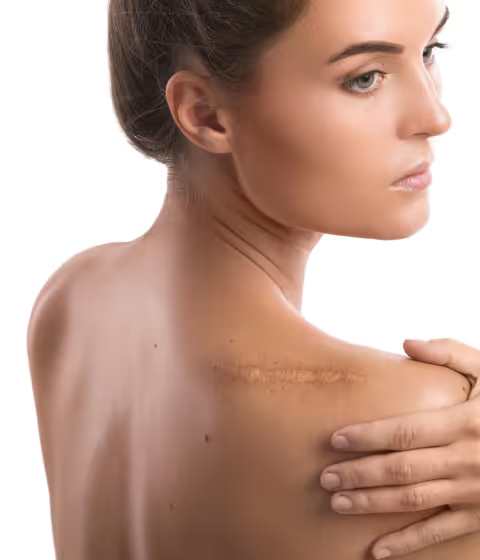
The appearance of the scar will also go through several phases, often appearing red and raised during the first few months before eventually flattening and fading. The experts at EmilMD provide guidance on the best scar management techniques, including the use of medical grade silicone and specialized massages to improve tissue elasticity. This proactive approach ensures that the surgical mark becomes as inconspicuous as possible over time.
- Patience with Swelling: Minor "activity induced" swelling can persist for up to six months, especially after a long day on one's feet.
- Skin Sensitivity: The treated area may remain sensitive to temperature and pressure for several months as the nerves heal.
- Posture Awareness: Many patients find they have naturally improved posture because of the muscle tightening, which should be supported with light core work.
The goal of a full tummy tuck is to provide a functional and aesthetic improvement that enhances the patient's quality of life. By understanding the standard recovery time and the importance of each phase, individuals can approach their surgery with confidence and a clear roadmap for success. The commitment to a healthy recovery is the final, essential step in achieving the firm, contoured abdomen that a tummy tuck provides.
Dr. Emil Kohan and the clinical team at EmilMD are dedicated to providing the highest level of support throughout this entire process. From the initial consultation to the final one year follow up, the office remains a constant source of expert advice and medical oversight. This personalized attention ensures that every patient achieves a safe, effective, and beautiful result that they can enjoy for many years to come.
Frequently
Asked Questions
How soon can I return to a desk job after a full tummy tuck?
Most patients find that they are comfortable returning to an office based job within two to three weeks of their procedure at EmilMD. It is important that you have the ability to stand up and walk around occasionally to maintain circulation and that your seating provides adequate support for your back and core. Dr. Emil Kohan’s expert team will assess your individual progress during your one week follow-up to ensure you are ready for the mental and physical demands of your workspace.
When is it safe to pick up my children after surgery?
Lifting anything over ten pounds, including small children or heavy groceries, is generally restricted for the first six weeks following a procedure with EmilMD. This restriction is crucial for protecting the internal muscle plication and the primary incision as they gain strength. Dr. Emil Kohan recommends arranging for consistent childcare help during the first few weeks of recovery to avoid accidental strain that could compromise your surgical results or lead to a hernia.
Why is it necessary to walk with a stooped posture for the first week?
Walking with a slight forward lean reduces the tension on the horizontal incision and the newly tightened abdominal muscles, which is a priority for the clinical team at EmilMD. If you were to stand completely upright too early, the stress on the skin edges could cause the scar to widen or even result in minor wound separation. Dr. Emil Kohan will guide you on when it is safe to slowly begin straightening your posture as your skin elasticity and internal healing allow, usually between days seven and ten.
How long will I need to wear the compression garment after my tummy tuck?
Dr. Emil Kohan typically requires patients to wear a medical grade compression binder or garment for at least six to eight weeks following the surgery. For the first few weeks, the garment is worn 24/7, except when showering, to provide essential support to the tissues and minimize the accumulation of fluid. The experts at EmilMD will let you know when you can transition to wearing the garment only during the day or for a few hours a day as your swelling subsides and your contours stabilize.
Can I travel or fly during my tummy tuck recovery?
The experts at EmilMD generally advise against air travel for at least two to three weeks following a major procedure like a tummy tuck due to the increased risk of blood clots during long periods of sitting. If travel is unavoidable, it is essential to discuss a safety plan with Dr. Emil Kohan, which may include frequent walks in the aisle and the use of compression stockings. Short car trips are usually fine after the first week, provided you are no longer taking narcotic pain medications and someone else is doing the driving.
When will I be able to see the final shape of my new abdomen?
While you will notice a significant change in your silhouette immediately after surgery, the specialists at EmilMD explain that the final "settled" result takes approximately six to twelve months to appear. The residual swelling in the lower abdomen is the last to fade, and the tissues need time to soften and integrate into their new position. Dr. Emil Kohan and his team will continue to monitor your progress through regular check ups to ensure that your results are maturing beautifully and meeting your expectations.
Bringing Artistry to Plastic Surgery