What is the recovery like after a tuberous breast correction procedure?

Recovery from tuberous breast correction typically involves initial swelling and bruising that gradually subsides over several weeks. Most patients at EmilMD can return to work within 2-3 weeks and resume full activity by 6-8 weeks, with final results appearing after 3-6 months as swelling completely resolves.
Table of contents
Recovery from tuberous breast correction is one of the most important considerations for patients planning this procedure. Understanding what to expect during healing helps you prepare mentally and physically for the process ahead. Dr. Emil Kohan at EmilMD ensures every patient receives detailed aftercare instructions and ongoing support throughout their recovery journey.
The recovery timeline for tuberous breast correction is generally predictable and manageable when you follow postoperative guidelines carefully. Most patients experience an encouraging progression as swelling decreases and results become increasingly visible. The team at EmilMD is committed to making the recovery process as comfortable and smooth as possible.
This comprehensive guide walks you through each phase of recovery after tuberous breast correction, from the immediate postoperative period through final results. Knowing what to expect helps reduce anxiety and allows you to plan your return to normal activities with confidence.
Timeline: Week by Week Recovery Progression
The first week after tuberous breast correction is the most challenging phase of recovery. You will experience swelling, bruising, and some discomfort as your body begins the healing process. Pain is typically well-managed with prescribed medication, and most patients describe discomfort as manageable rather than severe.
By the end of week two, many patients feel ready to return to work or light daily activities. The initial soreness continues to decrease, though some swelling remains. You can begin gentle movement, and the team at EmilMD will clear you for this based on your individual healing progress.
Weeks three through six mark noticeable improvement as swelling continues to decline and bruising fades significantly. You can return to light exercise during this phase, though you must avoid heavy lifting and intense activity. This is an exciting time when results begin to look more refined.
- Days 1-3: Rest and ice therapy, pain management with prescribed medications, wear compression garments continuously, avoid any strenuous activity or exercise.
- Week 1: Begin gentle arm movements, continue ice therapy, take prescribed antibiotics, attend first follow-up appointment, swelling peaks around day 3-5.
- Weeks 2-3: Return to work if job is non-physical, light stretching permitted, most bruising visible but beginning to fade, begin weaning off pain medication.
- Weeks 4-8: Light exercise cleared, return to normal activities, significant improvement in appearance, most swelling substantially reduced, can gradually increase activity level.
Recovery progression varies slightly between patients based on individual healing factors and the complexity of correction needed. Dr. Emil Kohan monitors your progress closely to ensure you heal optimally and can resume activities safely. Communication with the EmilMD team about your recovery experience is essential.
By the end of eight weeks, most patients feel they have returned to normal life with dramatically improved breast appearance. The visible improvements continue for several more months as final swelling resolves and tissue fully adapts to its new shape.
Managing Pain, Swelling, and Discomfort
Proper pain management during recovery makes the healing process significantly more comfortable. Dr. Emil Kohan prescribes appropriate pain medication to take during the first weeks after surgery. Most patients find they can reduce medication usage as pain naturally decreases over time.
Swelling is a normal, expected part of recovery from tuberous breast correction. The body responds to surgical manipulation with fluid accumulation, which peaks around day three to five post-surgery. This swelling is temporary and gradually resolves over weeks and months.
Compression garments play a crucial role in managing swelling and supporting healing tissues. The team at EmilMD provides detailed instructions on wearing your compression garment, how to care for it, and when you can transition to less restrictive clothing as healing progresses.
- Pain Management Strategy: Take prescribed pain medication as directed, especially helpful before bed and before activities, gradually reduce as discomfort decreases, avoid over-the-counter NSAIDs unless cleared by Dr. Emil Kohan.
- Swelling Reduction Techniques: Apply ice packs during the first week following postoperative instructions, elevate your upper body when resting, wear compression garment continuously, avoid salt and stay hydrated for optimal healing.
- Medication and Aftercare: Take antibiotics as prescribed to prevent infection, use prescribed topical ointments if recommended, attend all follow-up appointments, report any unusual symptoms to the EmilMD team immediately.
- Activity Modifications: Avoid lifting anything heavier than 5 pounds for 6 weeks, do not sleep on your stomach, avoid high-impact exercise for 8 weeks, gradually increase activity as cleared by Dr. Emil Kohan.
Most patients are pleasantly surprised at how manageable their recovery experience is when they follow postoperative instructions carefully. The discomfort typically decreases faster than expected, and swelling improvement is visible weekly. This encourages many patients as they progress through healing.
The team at EmilMD provides 24/7 access for questions or concerns during your recovery. Never hesitate to reach out if you experience unusual symptoms or need clarification on your aftercare instructions—patient safety and comfort are top priorities.
Seeing Results and Final Outcomes
Initial results from tuberous breast correction become visible within the first few weeks as swelling decreases. However, the dramatic transformation continues for months as all residual swelling resolves. This extended improvement timeline is important to understand so you don't judge final results too early.
By three months post-surgery, most of the swelling has resolved and you can see approximately seventy-five percent of final results. By six months, virtually all swelling is gone and your breasts have settled into their final, beautiful shape. This timeline allows the tissue to adapt completely to the surgical changes.
The corrected breast shape becomes more stable over time as scar tissue matures and reaches its final form. Results continue to look natural and refined as months pass. Many patients are amazed at how natural and proportionate their results appear at the six-month mark.
- 2-4 Weeks Post-Op: Initial swelling decreases noticeably, bruising fades significantly, early results visible but not final, may still wear compression for comfort, return to light activities cleared.
- 6-8 Weeks Post-Op: Most swelling resolved, approximately fifty to sixty percent of final result visible, can resume normal exercise, breast shape becoming more refined, can wear regular bras.
- 3 Months Post-Op: Approximately seventy-five percent of final result visible, minimal residual swelling if any, scar tissue beginning to mature, results look increasingly natural and proportionate.
- 6 Months and Beyond: Final results fully apparent, all swelling completely resolved, scar tissue fully matured, breast shape stable and natural-looking, can enjoy all activities without restriction.
The patience required during the recovery and results timeline is worthwhile when you consider the comprehensive transformation tuberous breast correction provides. Results look completely natural because the corrected tissue has fully adapted to its new contour. Dr. Emil Kohan's expertise ensures that patients achieve beautiful outcomes.
Long-term satisfaction with tuberous breast correction results is very high among EmilMD patients. The combination of proper surgical technique and patient compliance with aftercare instructions contributes to excellent, lasting outcomes that patients enjoy for years.
Frequently
Asked Questions
What pain level should I expect after surgery?
Most patients describe postoperative pain as moderate discomfort rather than severe pain. The prescribed pain medication effectively manages discomfort during the first week when it is most intense. By week two, many patients need less medication, and by week three or four, pain is typically minimal. Dr. Emil Kohan at EmilMD prioritizes patient comfort and will adjust pain management as needed.
When can I return to exercise and sports?
Light exercise like walking can begin immediately after surgery. By week four, you can do light cardio on an elliptical or stationary bike. Full return to exercise, including weights and high-impact activities, is typically cleared by week eight. Dr. Emil Kohan at EmilMD provides specific clearance based on your individual healing progress.
How long before I can sleep normally?
For the first two weeks, sleep with your upper body elevated on 2-3 pillows to minimize swelling. By week three or four, many patients can sleep more comfortably. Avoid sleeping on your stomach for at least six weeks. The EmilMD team can provide additional comfort strategies for better sleep during early recovery.
What if I experience unusual symptoms during recovery?
The EmilMD team is available 24/7 for any questions or concerns during recovery. Report immediately any signs of infection, excessive pain not controlled by medication, unusual swelling, chest pain, or difficulty breathing. These symptoms require prompt medical attention to ensure safe healing and proper outcomes.
Will scars from the surgery be visible?
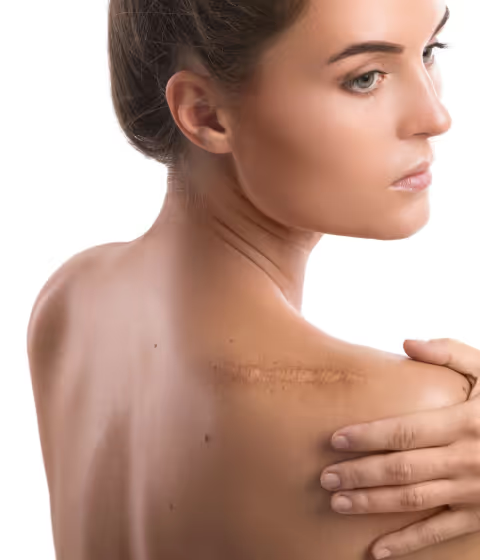
Incision placement is carefully planned by Dr. Emil Kohan to minimize scar visibility. Scars fade significantly over time as they mature over 12 months. Initial scars appear darker and more noticeable but gradually lighten and blend. Most patients find scars are minimal and easily hidden, if visible at all, within normal clothing.
How much time off work do I need?
Most patients return to desk jobs and non-physical work by week two to three. If your work involves heavy lifting or strenuous activity, you may need four to six weeks off. Dr. Emil Kohan at EmilMD works with you to determine appropriate timing based on your job requirements and individual healing progress.
Are there any activities I should permanently avoid after recovery?
Once you complete recovery and receive final clearance from Dr. Emil Kohan, you can resume all normal activities. There are no permanent restrictions after tuberous breast correction. Your newly corrected breasts are stable and durable for all activities, sports, and exercises.
When can I expect to feel completely back to normal?
Most patients feel substantially back to normal by six to eight weeks. By three months, they feel completely back to normal regarding daily activities, exercise, and lifestyle. Emotionally and psychologically, many patients feel better immediately as they see their new breast appearance improving daily during recovery.
Bringing Artistry to Plastic Surgery