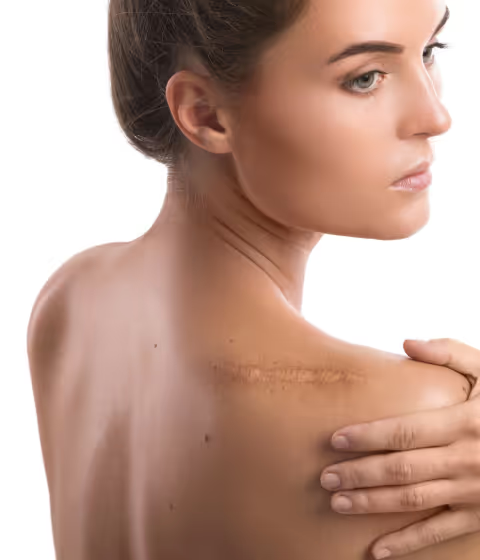
How does a body lift surgery address skin laxity in the midsection and thighs?

A body lift surgery addresses skin laxity by removing a continuous belt of excess tissue from the abdomen, hips, and lower back while simultaneously lifting the outer thighs and buttocks. At EmilMD, this procedure provides a comprehensive solution for patients who have experienced significant weight loss and require structural contouring.
Table of contents
Body lift surgery represents one of the most transformative procedures in the field of aesthetic and reconstructive plastic surgery. It is specifically designed to treat individuals who struggle with extensive skin redundancy that often follows massive weight loss, pregnancy, or the natural aging process. While localized procedures like a tummy tuck focus solely on the anterior abdomen, a body lift takes a circumferential approach to ensure that the entire midsection and the upper leg region are addressed in a single, cohesive surgical plan.
The procedure works by strategically excising a broad band of skin and fat from the circumference of the torso. This allows the surgeon to pull the remaining skin tight, much like smoothing out a fabric over a frame. By addressing the front, sides, and back simultaneously, the surgical team can ensure that the tension is distributed evenly, preventing the unnatural pulling or distorted contours that can occur when only one area is treated. Patients often find that this comprehensive approach is the only way to achieve a truly streamlined profile.
Beyond the simple removal of skin, a body lift involves the meticulous suspension of deeper tissues. This internal structural work is what provides the longevity of the results and the natural appearance of the new body shape. The surgery targets the underlying fascia and fat layers, anchoring them to more stable structures to prevent future sagging. This multifaceted method ensures that the skin laxity is not just masked but fundamentally corrected through surgical intervention and anatomical repositioning.
The Mechanical Process of Circumferential Skin Excision
The core mechanism of a body lift is the strategic removal of a 360 degree belt of tissue. This process begins with an assessment of how much skin can be safely removed while still allowing the remaining edges to meet without excessive tension. The surgeon must account for the way the skin stretches and moves in different directions. By removing a significant portion of tissue from the lower back and flanks, the surgeon creates a foundation for the lift that extends all the way to the front of the body.
The surgical sequence is designed to maximize the lifting effect on both the midsection and the lower extremities. By starting with the patient in a specific position, the surgeon can access the lower back and flanks effectively. This initial phase sets the foundation for the lifting of the buttocks and the lateral thighs. After the posterior portion is complete, the focus shifts to the anterior section to address the abdomen and the front of the thighs.
- The surgical team administers general anesthesia to ensure the patient remains comfortable and still throughout the operation.
- Dr. Kohan performs the initial markings to guide the circumferential incisions and ensure symmetry across the midsection.
- The surgeon removes the redundant skin and fat from the lower back and hip area while tightening the underlying tissue layers.
- The patient is repositioned to allow for the treatment of the abdominal wall and the repair of any muscle separation.
- Excess tissue is excised from the front and sides of the torso to create a firm and flat abdominal profile.
- The incisions are meticulously closed using deep sutures to support the weight of the lifted skin and minimize scar widening.
Once the incisions are closed, the immediate effect is a significant reduction in the total surface area of the skin on the torso. This reduction forces the remaining skin to adapt to a smaller frame, which creates the smooth and tight appearance that patients desire. The tension created by this closure is what provides the lifting force for the lower body. It is a highly technical balance that requires years of surgical experience to master correctly.
Following the surgery, the body begins a complex healing process where the new skin position is solidified by scar tissue formation. This internal scarring actually helps to anchor the skin in its new, higher position. Patients are closely monitored to ensure that the healing progresses without complications such as seromas or wound dehiscence. The final result is a body that feels more compact and a skin envelope that matches the underlying muscular structure.
How the Procedure Targets the Outer Thighs and Buttocks
Many patients are surprised to learn that a body lift provides such a dramatic improvement to the legs without a separate thigh incision. This occurs because the skin of the upper legs is continuous with the skin of the hips and lower back. When the surgeon pulls the skin of the torso upward to close the gap left by the excised tissue, the thighs and buttocks are naturally pulled along with it. This provides a subtle but effective lift to the lateral thigh and the gluteal region.
The removal of the skin belt serves as a powerful mechanical lift for the lower body. When the skin of the lower back and abdomen is tightened and sutured, it naturally pulls upward on the thighs and buttocks. This upward tension is what creates the lift in body lift surgery. It effectively reduces the appearance of sagging on the outer thighs and provides a more youthful, elevated position for the gluteal region.
- Abdominal Contouring: This aspect focuses on flattening the stomach and narrowing the waistline through skin excision and muscle repair.
- Buttock Elevation: By removing skin from the lower back, the remaining tissue is pulled upward to improve the shape and position of the rear.
- Lateral Thigh Tightening: The circumferential tension created during the surgery pulls the skin on the outer thighs taut, reducing sagging and dimpling.
- Hip Refinement: Excess fat and skin at the flanks are eliminated to create a smoother transition from the waist to the legs.
For many patients, the improvement in the thighs is a significant secondary benefit of the midsection contouring. While a dedicated thigh lift may still be necessary for those with extreme laxity on the inner legs, the body lift handles the outer and anterior portions with remarkable efficiency. This dual action makes the procedure an ideal choice for those who want to see a total transformation of their lower torso and upper legs without undergoing multiple separate surgeries.
The impact on skin laxity is permanent in the sense that the removed skin cannot grow back. However, the quality of the remaining skin and the stability of the patient's weight will dictate how well the results hold up over the years. Patients are encouraged to maintain a stable weight and a healthy lifestyle to protect the integrity of their new contours. The structural changes made during the surgery provide a firm foundation that can withstand the normal effects of aging much better than lax, unsupported tissue.
Addressing Muscle Laxity and Core Stability
A critical component of a body lift is often the repair of the abdominal muscles. In many cases of significant weight loss or multiple pregnancies, the rectus abdominis muscles have separated. This condition is known as diastasis recti and it contributes to a bulging appearance of the stomach that cannot be corrected through exercise alone. During the anterior portion of the body lift, the surgeon uses internal sutures to bring these muscles back together.
This muscle repair provides a firm internal wall that supports the organs and creates a flatter stomach. It also improves core stability, which can have positive effects on posture and back pain. By combining the skin removal with muscle plication, the surgeon addresses the laxity of the entire abdominal unit. This comprehensive approach ensures that the outward appearance is supported by a strong internal structure.
- Skin is excised in a pattern that matches the patient's specific areas of maximum laxity.
- Muscle layers are tightened using permanent or long lasting sutures for structural support.
- Deep fat layers are contoured to ensure a smooth transition between different body regions.
- The skin is draped and secured to prevent the formation of pockets or uneven folds.
The technical execution of these components requires an intimate understanding of human anatomy and the way different tissue types respond to tension. Surgeons must balance the need for a tight, firm result with the necessity of maintaining healthy blood flow to the skin edges. If the skin is pulled too tightly, it can lead to healing complications or wide scars. Conversely, if not enough tension is applied, the patient may be disappointed with the level of correction achieved.
Expertise in this area is characterized by the ability to customize the excision pattern based on the unique distribution of the patient's skin laxity. Some individuals carry more weight in their lower back, while others have the majority of their excess skin concentrated in the lower abdomen. A personalized surgical plan is developed to address the specific vectors of sagging that are most prominent in each individual case.
The Long Term Evolution of Your Restored Silhouette
The decision to undergo a body lift is a significant commitment that yields life changing rewards for the right candidate. By removing the physical burden of excess skin, patients are able to fully enjoy the results of their weight loss and engage in a more active lifestyle. The surgery does more than just change how a person looks in the mirror; it changes how they move through the world. The elimination of skin laxity in the midsection and thighs provides a sense of lightness and freedom that was previously hindered by redundant tissue.
Achieving the best possible result depends heavily on the partnership between the patient and the surgical team. Clear communication regarding goals, realistic expectations, and a thorough understanding of the recovery process are all essential components of a successful experience. When a patient is well prepared and follows the guidance of their provider, the transition from surgery to a restored silhouette is a rewarding path. The structural improvements made during the procedure serve as a permanent enhancement to the body's natural form.
The expertise provided at EmilMD ensures that every aspect of the body lift is handled with the highest level of clinical skill and aesthetic sensibility. From the initial consultation to the final follow up, the focus remains on delivering a result that is both beautiful and functional. Patients can feel confident that their concerns regarding skin laxity are being addressed by a team that understands the complexities of massive weight loss surgery and body contouring. The firm, toned appearance achieved through this surgery is a testament to the power of modern plastic surgery.
Frequently
Asked Questions
How long does the recovery process take after a full body lift?
The recovery period for a body lift is typically more involved than simpler procedures because of the circumferential nature of the surgery. Most patients require about two to three weeks off from work to manage initial healing and comfort levels. At EmilMD, the team provides a detailed recovery timeline to ensure patients understand when they can resume light walking versus heavy exercise. Full physical activity is usually restricted for six to eight weeks to allow the incisions and internal repairs to gain sufficient strength.
Will there be significant scarring after the procedure?
A body lift does involve a long incision that circles the waist, but the experts at EmilMD are highly skilled at placing these scars where they are most easily concealed. The goal is to keep the scar low enough to be hidden by most underwear and swimwear styles. While scarring is a permanent part of the surgery, it generally fades and flattens over twelve to eighteen months. Proper scar care and sun protection are emphasized by the clinical staff to ensure the best long term appearance.
Who is the ideal candidate for a body lift?
Ideal candidates are individuals who have reached a stable weight and are in good overall health but struggle with significant skin laxity. This often includes patients who have undergone bariatric surgery or experienced massive weight loss through diet and exercise. Dr. Emil Kohan’s expert team evaluates each patient’s medical history and aesthetic goals to determine if they are ready for the procedure. It is important that smokers quit well in advance of surgery to minimize the risk of healing complications and skin necrosis.
Can a body lift be combined with other procedures?
It is quite common to combine a body lift with other contouring surgeries, such as a breast lift or arm lift, to achieve a more comprehensive rejuvenation. However, the safety of combining procedures depends on the patient's health and the total projected time in the operating room. EmilMD prioritizes patient safety above all else and will only recommend combined surgeries if it is determined to be a safe option for the individual. Many patients find that staged procedures are a better way to manage the recovery process effectively.
How does a body lift differ from a standard tummy tuck?
While a tummy tuck only addresses the skin and muscle of the anterior abdominal wall, a body lift extends the correction all the way around to the back. This means a body lift can treat sagging in the flanks and lower back while also providing a lift to the buttocks and outer thighs. For patients with skin laxity that wraps around the entire torso, EmilMD often recommends the body lift as it provides a more balanced and complete result than a tummy tuck alone could achieve.
What kind of results can I expect to see in my thighs?
A body lift provides a significant upward pull on the lateral and anterior thigh skin, which helps to smooth out ripples and reduce sagging. It is particularly effective for tightening the outer thigh area that often sags after weight loss. While it may not address the inner thigh as directly as a medial thigh lift, many patients find the improvement sufficient for their goals. Dr. Emil Kohan ensures that the tension is applied correctly to maximize the lifting effect across the entire upper leg region.
How is pain managed during the first week of recovery?
Pain management is a top priority for the clinical team to ensure a smooth transition into the healing phase. A combination of long acting local anesthetics during surgery and prescribed oral medications afterward helps to keep patients comfortable. The specialists at EmilMD also recommend specific positioning and the use of compression garments to reduce the tension on the incision lines. Most patients find that their discomfort significantly decreases after the first few days as the initial inflammation begins to subside.
Bringing Artistry to Plastic Surgery